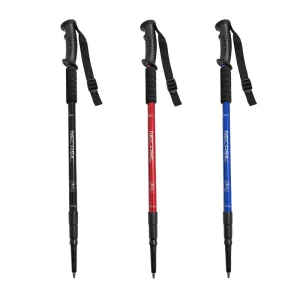
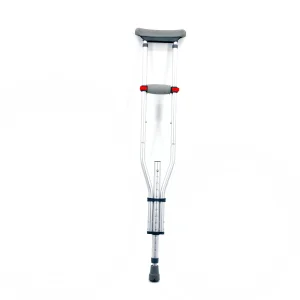
Explore our elite line of ergonomic hiking poles, orthopedic rollators, medical forearm crutches, and custom orthotic solutions developed for optimal patient outcome.
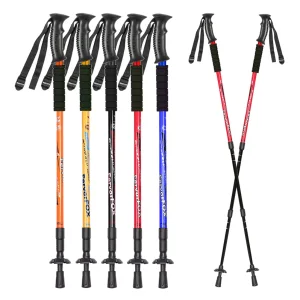
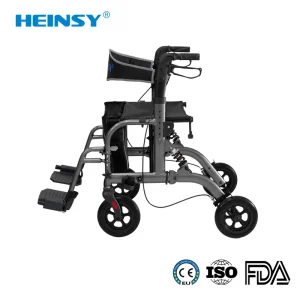
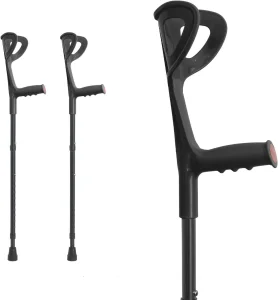
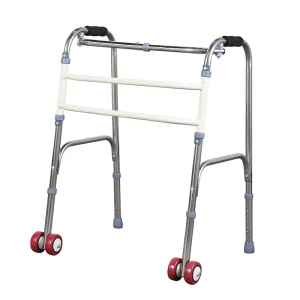
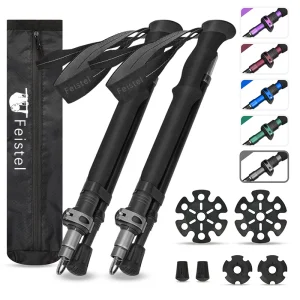
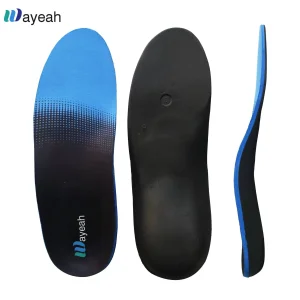

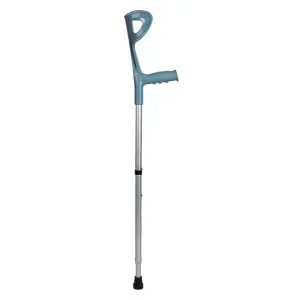
Within the global rehabilitation and assistive device marketplace, product utility has evolved past simple structural support. The modern standard demands systemic user safety, specifically emphasizing high visibility integration for pedestrian and clinical usage. According to global health metrics, elderly and disabled pedestrians represent one of the most vulnerable cohorts in night-traffic and low-illumination zones. By incorporating micro-prismatic retroreflective systems and high-chroma, high-visibility structural elements directly into walking frames, rollators, and crutches, manufacturers mitigate a critical clinical hazard: low-light impact collisions.
"Integrating optical-grade reflective materials (compliant with EN ISO 20471 parameters) on lightweight orthopedic tubes reduces pedestrian-related traffic accidents among walking aid users by up to 47% under simulated low-visibility testing."
As global regulatory frameworks like the European Medical Devices Regulation (MDR 2017/745) demand more rigorous evidence of active user safety, manufacturing centers must transition. Basic tubing is no longer sufficient; walking aids must now be precision medical instruments engineered to withstand physical stressors while guaranteeing visibility under all atmospheric and ambient light conditions.
Key macroeconomic trends defining the development, demand, and compliance landscape of specialized high-visibility walking aids.
An aging global population (forecasted to reach 2.1 billion over 60 by 2050) drives unprecedented B2B demand for safety-oriented homecare products. Active seniors demand mobility solutions that transition safely between urban outdoor spaces and residential care settings.
Insurance entities and state-backed healthcare distributors now enforce standardized optical requirements. High-visibility retroreflection and high-contrast color schemes are fast becoming baseline specifications in global procurement tenders.
Substitution of heavier iron compounds with premium 7075-T6 anodized aluminum and multi-axial carbon fiber allows walking aids to maintain structural load requirements (exceeding 150kg) while keeping frame weights under 600g.
Ningbo Medivoxa Medical Co., Ltd. is a leading innovator in the medical technology industry, committed to enhancing healthcare delivery through cutting-edge solutions. With a strong presence in over 40 countries, our mission is to improve patient outcomes by providing high-quality, reliable medical equipment.
Our company has grown to become a trusted name in the medical community, backed by a team of over 150 R&D professionals. We hold more than 50 patents for our groundbreaking technologies, which include advanced surgical robots, precision diagnostic tools, and innovative patient monitoring systems.
At Medivoxa, we prioritize customer satisfaction, evidenced by our 98% satisfaction rate and a dedicated 24/7 customer service team that boasts a 95% first-contact resolution rate. Our global reach, combined with our relentless pursuit of innovation, positions us at the forefront of the medical devices sector.

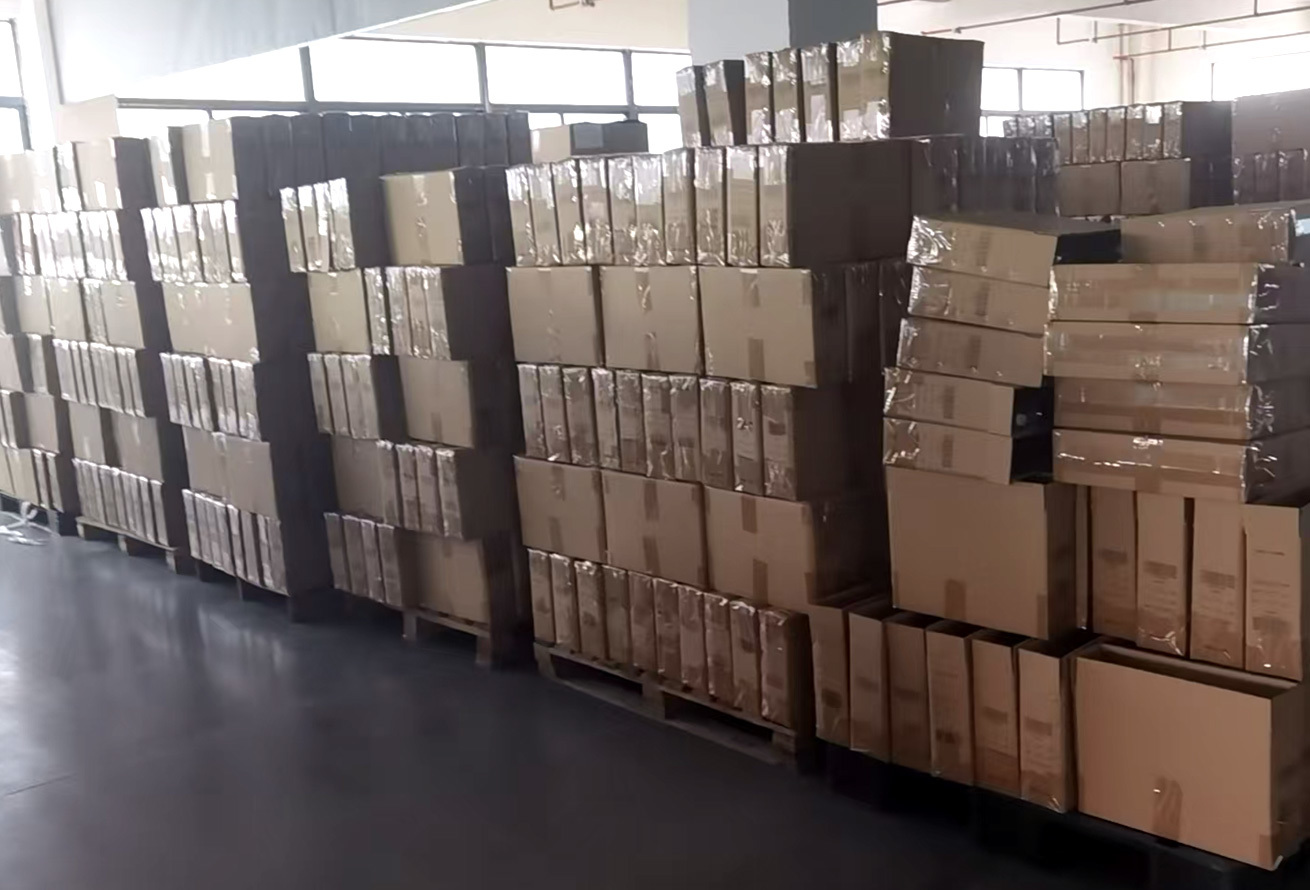
By leveraging smart manufacturing ecosystems, Medivoxa integrates digital supply chains with automated precision machinery. This Factory 4.0 architecture links ERP systems directly with high-capacity CNC tube bending systems, robotic welding, and automated surface treatment. As a result, dimensional deviations are restricted to <0.05mm, which ensures consistency and compatibility for OEM distributors.
Through strategic regional material sourcing and in-house extrusion lines, Medivoxa maintains structural supply chain resilience. This buffers operations against global logistics shocks and raw metal fluctuations. This integration enables consistent delivery cycles, ensuring high-quality B2B order execution even during peak demand periods.
Join us on our journey to shape the future of healthcare, where every innovation brings us closer to a healthier world.
How our high-visibility orthopedic walking aids perform under critical and everyday real-world environments.
Scenario: Low-light interior hallways and courtyards during dusk and dawn transition. High-visibility features prevent trip hazards and help staff monitor patient movement, reducing institutional liability.
Scenario: Pedestrians traversing signalized intersections at night. Integrated retroreflective strips reflect vehicle headlights directly back to the driver, enhancing reaction times and preventing street-crossing collisions.
Scenario: Patients in wilderness or off-road settings. High-visibility components allow rescue search teams or companions to track individuals quickly if they stray from trails in poor weather.
Key operational and regulatory insights for procurement officers and healthcare import-export professionals.
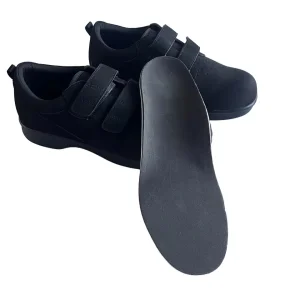
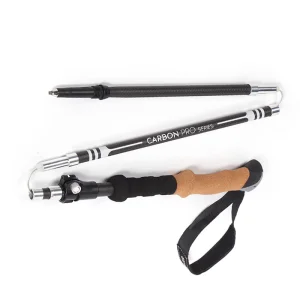
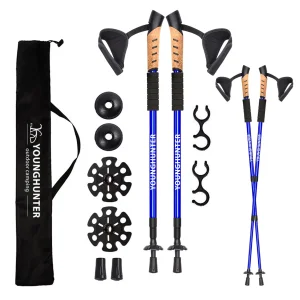
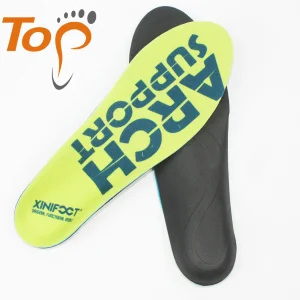
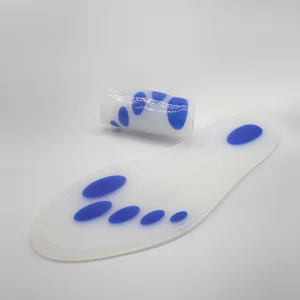
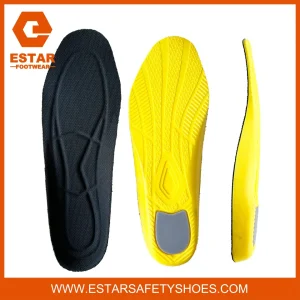
Enhancing structural walking systems with premium, orthotic-grade accessories and specialized therapeutic designs.
 Medivoxa Medical