Premium ISO 13485 compliant comfort grip solutions and orthopedic orthotics built to exceed rigorous clinical standards.
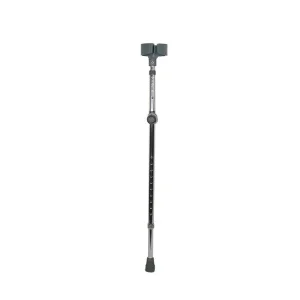
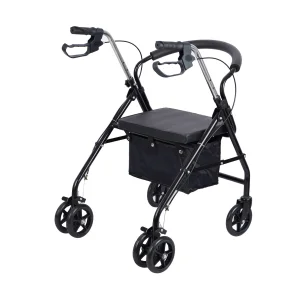
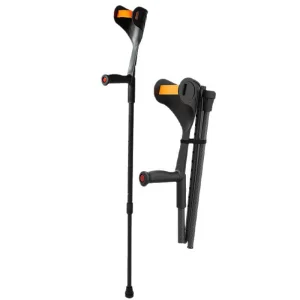
Comfort grip technology has transcended simple slip-resistant plastic coatings. In contemporary orthopedic science, the interface between the user's hand and mobility or rehabilitation equipment represents a critical therapeutic touchpoint. Whether applied to crutches, rollators, orthopedic walking sticks, or specialized tools, the engineering of comfort grip aids focuses on minimizing muscular fatigue, eliminating local pressure hot spots, and preventing repetitive strain injuries (RSI).
By shifting from standard injection-molded polyvinyl chloride (PVC) to multi-density thermoplastic elastomers (TPE) and medical-grade silicones, modern grip design addresses biomechanical force distribution. Scientific evaluations indicate that ergonomically contoured grips reduces the peak load on the thenar and hypothenar eminences of the palm by up to 34%. This mechanical unloading is essential for geriatric populations and patients undergoing long-term physical therapy, ensuring adherence to rehabilitation protocols.
Information Gain Insight: The integration of viscoelastic damping channels within comfort grips allows the material to dynamically conform to a patient's grip pressure, dampening high-frequency vibrations from hard floor contacts and reducing proximal joint impact at the wrist, elbow, and shoulder.
Ningbo Medivoxa Medical Co., Ltd. is an established global medical technology manufacturer optimizing physical rehabilitation and patient mobility products.
Analyzing global compliance standards required by medical procurement executives, distributors, and health authorities.
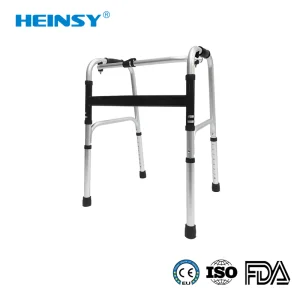
In international medical device distribution, compliance is non-negotiable. Sourcing CE Certified comfort grip aids ensures that products meet the European Union's stringent safety, health, and environmental protection requirements. Under the EU Medical Device Regulation (MDR 2017/745), comfort grip components on class-registered walking frames, crutches, and orthotics are classified as critical patient-contact surfaces.
B2B procurement professionals must confirm that raw materials comply with EU REACH requirements, ensuring they are free of dangerous phthalates, heavy metals, and sensitization agents. Medivoxa guarantees full regulatory alignment through rigorous testing. Each consignment is backed by technical documentation, including declaration of conformity, biocompatibility reports (ISO 10993), and fatigue assessment protocols.
This compliance safeguards global importers against customs delays and liability issues, ensuring medical equipment is ready for clinical and OTC retail markets across Europe, North America, and beyond.

Medivoxa's production facilities operate under ISO 13485 medical device quality management systems, assuring standard validation from design to output.
Complete compliance folders, biocompatibility certifications, and trace documentation are accessible for immediate European distribution launch.
Materials undergo rigorous skin-irritation, cytotoxicity, and sensitization trials to ensure maximum safety during long-term skin contact.
Combining automated high-speed production with rigorous medical-grade quality assurance.
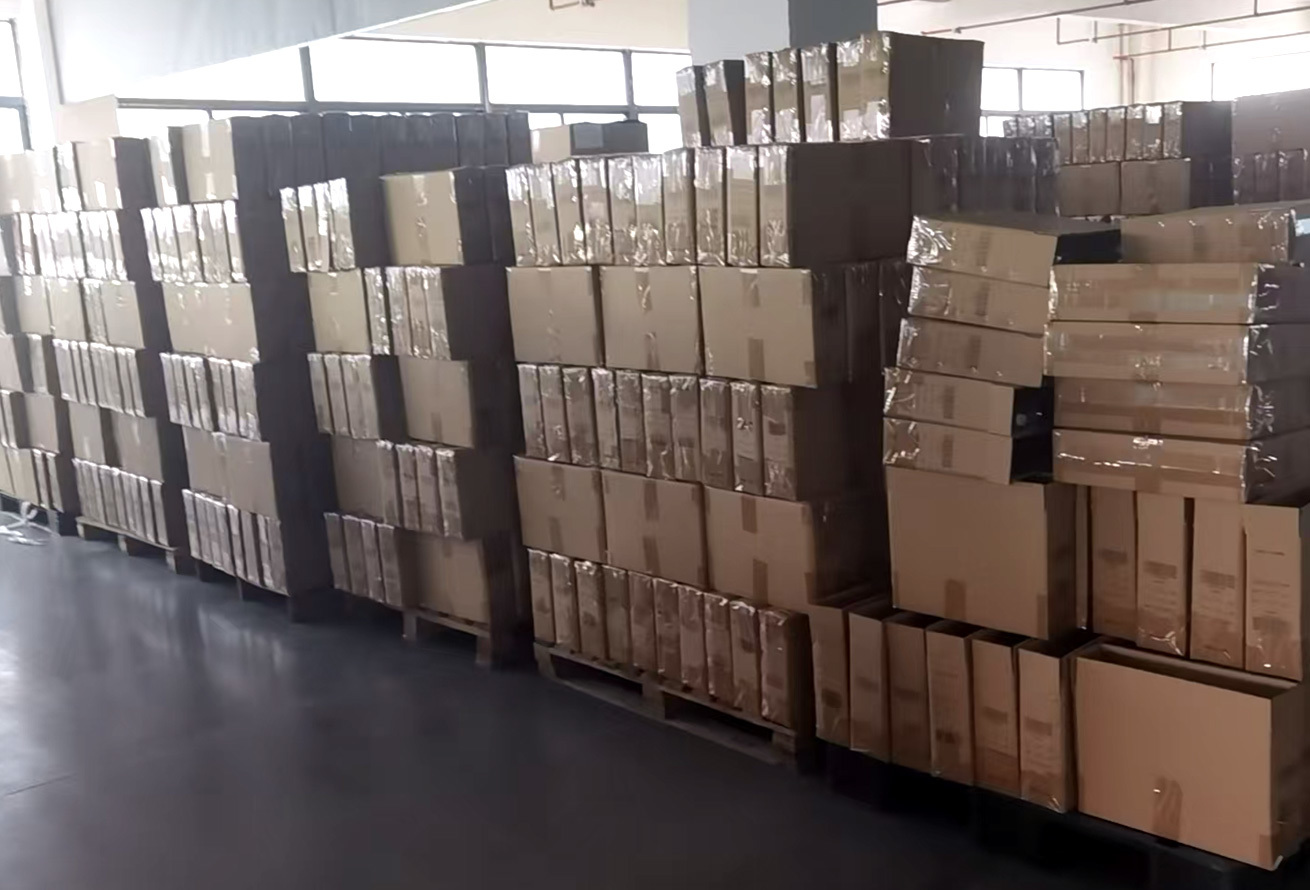
Medivoxa's production base leverages advanced manufacturing technology to achieve precise consistency and scale. Driven by Industrial Internet of Things (IIoT) frameworks and automated injection molding machines, our factory floor ensures consistent dimensional accuracy across large-volume orders. This is crucial for medical devices where even slight structural variance can compromise safety.
Our supply chain resilience is rooted in deep structural integration. Located in Ningbo, a global industrial hub, we leverage proximity to raw material providers, high-precision toolmakers, and specialized testing facilities. This ecosystem enables rapid prototyping, turning custom design modifications into production-ready molds in short cycles.
To manage global trade volatility, Medivoxa maintains a buffer of critical medical polymers and operates diversified shipping pipelines out of Ningbo Port. This combination of structural agility and material stability ensures consistent lead times, even during peak global demand.
The use of high-durability ergonomic grips spans across clinical, institutional, and consumer markets. Each sector demands unique structural properties to ensure safety and comfort:
In hospital rehabilitation units and long-term care environments, mobility aids are subjected to intense utilization and aggressive chemical sanitation regimens. Under these circumstances, grips constructed from cheap plastics quickly degrade, becoming sticky, cracked, and harbor sites for hospital-acquired infections (HAIs). Medivoxa’s high-molecular-weight TPE grips withstand hospital-grade disinfectants, including quaternary ammonium compounds and bleach solutions, without experiencing surface tackiness or structural failure.
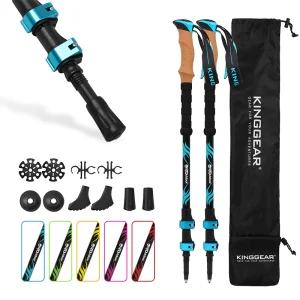
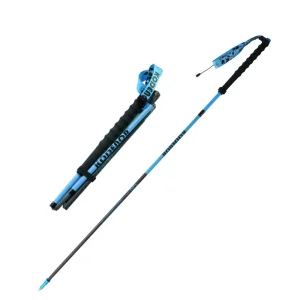
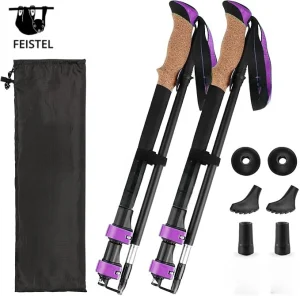
For trekking poles, running poles, and active-lifestyle crutches, grips must handle complex environmental challenges. Shock absorption, moisture dispersion, and reliable grip in wet conditions are paramount. Our outdoor lines utilize dual-density EVA foam and natural cork composites that absorb sweat, provide insulated warmth in cold climates, and reduce impact shock from hard surfaces.
Technical Application Note: For patients with severe joint deformation due to arthritis, custom wide-width handles allow pressure to distribute across a larger surface area, mitigating intense localized strain on the thumb joint.
Engineered for stability, comfort, and clinical efficiency across all rehabilitation applications.
In-depth responses resolving technical, regulatory, and logistics queries for medical device procurement professionals.
Our comfort grip aids undergo a rigorous mechanical validation process under ISO 13485 standards. This includes static load limits testing, cyclic fatigue testing (simulating up to 1,000,000 stress cycles), environmental chamber aging (-20°C to 60°C), and chemical exposure validation. Biocompatibility assessment is conducted under ISO 10993 protocol guidelines to verify that all materials are free from sensitizing chemical agents and pose no threat of skin irritation.
Yes, our R&D division has over 150 medical design professionals capable of developing bespoke ergonomic components. We offer customized durometer profiles, custom sizing, dual-injection color mapping, and antimicrobial branding integration. Our tooling workshop handles the design, validation, and manufacturing of custom injection molds to support your product line.
Standard elastomers break down when exposed to strong chemical disinfectants. Medivoxa uses high-molecular-weight Thermoplastic Elastomers (TPE) cross-linked with medical-grade silicone. This chemical composition remains stable under exposure to concentrated alcohol solutions, chlorine-releasing agents, and active quaternary ammonium mixtures, preventing the sticky degradation common in lower-cost alternatives.
Standard catalog products carry an MOQ starting at 1,000 units per line item, with production lead times ranging between 25 to 35 business days. Customized OEM components requiring new mold tooling involve an initial 20-day prototyping phase followed by normal production timelines. Shipping options include FOB Ningbo or CIF destination ports worldwide.
Holding over 50 patents for advanced surgical robots, patient monitoring tools, and mobility designs ensures that our partners import unique, legally protected designs. This mitigates intellectual property risk in highly competitive regions, establishing a clear commercial advantage and protecting your market share.
Align your product catalog with certified quality, scientific ergonomics, and global regulatory compliance. Medivoxa’s engineering team is ready to scale your operations.
Request Technical Documentation Medivoxa Medical