What are orthotics and how do they work? This question sounds simple, yet the answer depends on your feet, symptoms, activity, and diagnosis. Orthotics are devices placed inside shoes to support, guide, or cushion the feet. Some are prefabricated. Others are custom-made after a clinical assessment.
They may redistribute pressure beneath the heel, arch, or forefoot. They can also influence foot motion during walking or running. However, orthotics do not automatically correct every problem. Fit, footwear, body mechanics, and gradual use all matter. A poorly chosen device may cause discomfort instead of relief.
Biomechanics researcher Dr. Benno Nigg has explained, “Orthotics do not correct the foot; they change the way the foot functions.” This idea is useful. It encourages realistic expectations. Orthotics are tools, not magic solutions.
The seven tips in this guide explore how orthotics work, who may benefit, and what to expect during fitting. They also discuss custom versus over-the-counter options, common materials, adjustment periods, and warning signs. A podiatrist or qualified healthcare professional should assess persistent pain, numbness, swelling, or changes in walking.
Small details matter. A worn shoe can change the result. So can a rushed evaluation. Some people notice improvement quickly; others need adjustments or a different treatment plan. There is no universal insert for every foot. That is the part many explanations miss.
Understanding the purpose behind orthotics can help you make a safer, more informed decision. Expect questions, not promises.
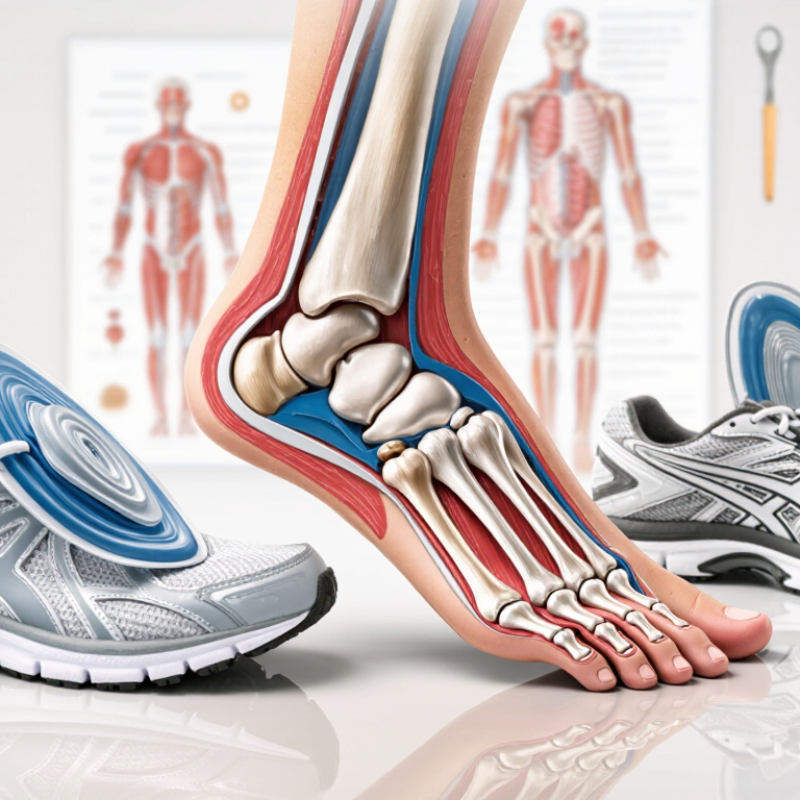
Orthotics are medical devices placed inside shoes to support or realign the feet. They may be prefabricated or custom-made after a clinical assessment. A 2022 World Health Organization report estimates that musculoskeletal conditions affect about 1.71 billion people worldwide. Foot pain is only one part of that burden. Orthotics may help manage plantar fasciitis, flat feet, pressure points, arthritis-related discomfort, and some alignment problems. They do not cure every cause of pain.
Tip 1: Ask what problem the orthotic is meant to address. A device should have a clear purpose. Tip 2: Seek assessment from a qualified podiatry or orthopedic professional. They may examine walking patterns, joint motion, footwear, and skin pressure. Tip 3: Describe real symptoms, including pain after standing, running, or climbing stairs. Small details matter. Tip 4: Introduce orthotics gradually. Wear them for short periods, then check for rubbing, numbness, or increased pain. Comfort is not always immediate.
Tip 5: Choose supportive footwear with enough toe space. Even a well-designed orthotic may fail inside a narrow shoe. Tip 6: Review progress after several weeks. The 2022 Cochrane review on foot orthoses found mixed evidence across conditions, so expectations should remain realistic. Tip 7: Stop and request professional advice if pain worsens, swelling appears, or walking changes. Custom devices are not automatically superior. That assumption needs reflection. The best option depends on diagnosis, activity, body structure, and daily footwear. Even experienced clinicians sometimes need to adjust the device.
Orthotics sit inside shoes to support, guide, or cushion the feet. They may redistribute pressure and improve walking comfort. Fit matters.
People with painful flat feet, plantar fasciitis, heel pain, or arch discomfort may benefit. Runners and long-standing workers may also experience less pressure or fatigue.
People with diabetes should seek professional advice before using orthotics. Reduced sensation can hide redness, blisters, or skin damage. Check your feet carefully.
Custom devices follow a clinical assessment, while ready-made inserts may suit mild, general discomfort. Custom does not always mean better. Evidence matters more.
A podiatrist or physical therapist may assess walking patterns, joint movement, footwear, and pain location. They might watch you walk or inspect worn soles.
Begin with 30 to 60 minutes of wear. Inspect your feet afterward, especially around the heel and arch. Increase use gradually over several days.
Stop using the orthotics if sharp pain, blisters, new numbness, or lasting redness develops. Redness lasting over 20 minutes deserves attention. Do not ignore it.
No. They may help pressure and alignment, but they cannot correct every cause of pain. A narrow toe box can defeat a supportive insert.
Review comfort after two to six weeks, especially if symptoms continue. Adjustment may be necessary. Replace or reassess them when materials compress, shoes change, or pain returns.
Record pain, walking comfort, wear time, and skin changes. Pressure testing may reveal problems that comfort alone misses. I once assumed more support meant better support. It does not.
This guide explains what are orthotics and how do they work, focusing on how these supportive devices can help improve comfort, balance, and everyday movement. Orthotics are designed to support or gently reposition parts of the feet and lower limbs, helping address concerns such as pressure, instability, uneven weight distribution, and alignment-related discomfort. Different types may be made for specific needs, including arch support, heel cushioning, motion control, or customized correction.
The article also describes how orthotics can influence posture and movement by encouraging more balanced alignment from the feet upward. People who stand for long periods, participate in physical activities, or experience recurring foot, knee, or lower-body discomfort may benefit from them. Seven practical tips cover choosing the right design, seeking professional guidance when needed, ensuring a proper fit, introducing orthotics gradually, keeping them clean, monitoring comfort, and replacing them when they become worn or no longer provide effective support.

 Medivoxa Medical