Properly storing mobility aids can significantly enhance accessibility and safety. Many users struggle with how to store mobility aids properly, often leading to inconvenience and potential accidents. A cluttered environment can make it difficult for individuals with mobility challenges to navigate their homes comfortably.
Ensuring mobility aids are well-organized not only fosters independence but also promotes a sense of control. Storing items like walkers, canes, and wheelchairs in dedicated spaces reduces the risk of tripping hazards. It is essential to evaluate your own living space and determine the most effective storage solutions that cater to your daily routine.
However, even with the best intentions, mistakes often occur. Items may be placed in hard-to-reach areas or become tangled with other objects. Reflecting on past experiences can reveal how crucial it is to maintain an organized and accessible space for mobility aids. Taking the time to address these details can lead to a more efficient and safer living environment.
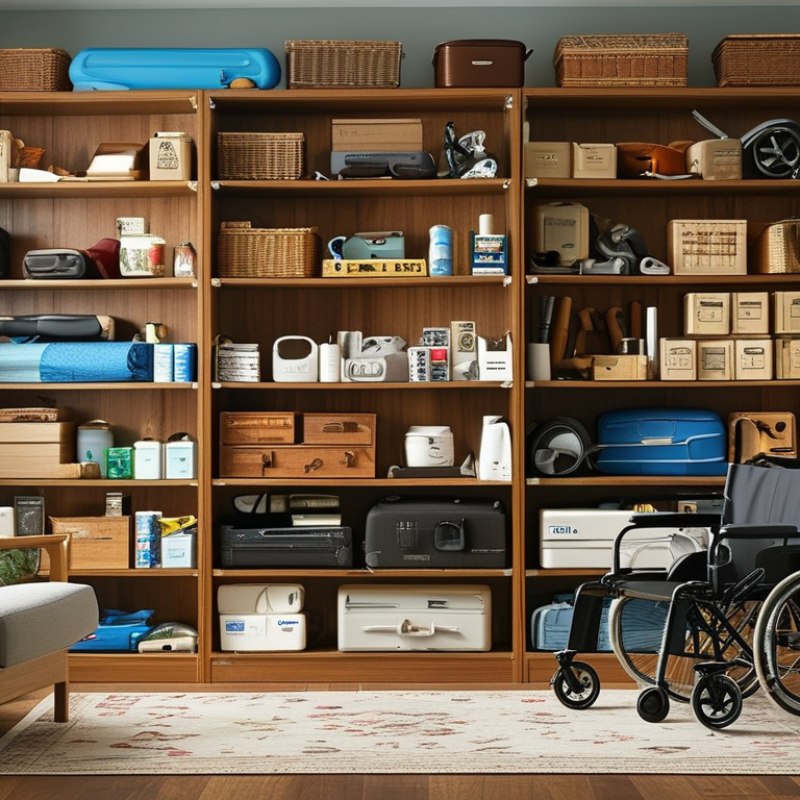
When considering mobility aids, it’s essential to understand the varied types and their specific storage requirements. For example, wheelchairs often require ample space and should be stored in an upright position. This helps prevent damage to wheels and mechanisms. According to the National Institute on Aging, approximately 18% of older adults use mobility aids like walkers and canes. Each type may require different storage solutions to ensure easy access and efficiency in daily activities.
Walkers, for instance, are best stored in a location where they can be grabbed quickly. Keeping them close to doorways or living areas can reduce the risk of falls and accidents. The American Physical Therapy Association recommends regular assessment of storage practices to ensure ongoing safety. Canes, on the other hand, can often be hung on hooks or stored in a designated basket. This prevents them from being misplaced and ensures they are always within reach.
Reflecting on storage, many people underestimate the importance of organization. Clutter can significantly affect access to mobility aids. It’s crucial to regularly evaluate the storage setup. Removing unnecessary items can create a safer environment. By keeping mobility aids accessible and properly stored, individuals can enhance their independence and mobility.
| Type of Mobility Aid | Storage Needs | Ideal Storage Location | Access Frequency |
|---|---|---|---|
| Wheelchair | Needs ample space, preferably folded if manual | Garage or dedicated storage room | Daily |
| Walker | Compact storage, can be folded | Near front door or in living room | Multiple times a day |
| Cane | Minimal space needed, can be kept upright | Beside a chair or in a cane holder | Frequent |
| Crutches | Needs vertical space, should not be tossed | Near the bed or in the hallway | As needed |
| Scooter | Requires charging station, large designated area | Garage or designated parking area | Daily |
: Proper organization allows for easy access to each item, enhancing convenience during daily activities.
Wall-mounted racks and designated bins are effective for keeping mobility aids clutter-free and organized.
Place them near frequently used areas like the living room or kitchen for easy access.
Items that are too high or low can cause strain, making it difficult to reach them.
Regular reviews help adjust the setup, as user needs can change over time.
Regular cleaning and inspections can prevent equipment failures and extend the lifespan of the aids.
Store them in a dry, accessible area to minimize risks of damage from moisture or heat.
Inspections can catch issues early, ensuring that wheels or brakes remain functional for safe usage.
Many overlook basic cleaning and storage practices, which can lead to equipment failures.
Reflecting on storage practices can lead to improvements in accessibility and functionality of aids.
In the article "How to Store Mobility Aids Properly for Easy Access," key aspects are discussed to enhance the effective storage of mobility aids. It begins by addressing the different types of mobility aids and their unique storage requirements, which is crucial for ensuring they remain functional and easy to access. Additionally, selecting the right storage location is highlighted, emphasizing the importance of convenience and safety in storage spaces.
Organizing mobility aids is further explored to maximize accessibility, ensuring that users can reach them without difficulty. The article also covers the implementation of safety measures to prevent accidents and maintain the aids in good condition. Finally, regular maintenance practices are recommended to promote the longevity of mobility aids, thereby facilitating easier access whenever needed. Overall, the article provides comprehensive guidance on how to store mobility aids properly, ensuring both safety and convenience for users.

 Medivoxa Medical