Why Prevent Injuries While Walking or Hiking?

Time:2026-11-07 Author:Henry
0%

Walking and hiking can improve fitness, lift your mood, and bring you closer to nature. Yet a loose stone, wet root, or sudden change in weather can turn an easy outing into a painful one. Preventing injuries is not about removing every risk; it is about noticing hazards early and making sensible choices. Knowing how to prevent injuries during walking or hiking helps turn good intentions into safer habits. Small choices matter.

Start with a route that fits your experience, time, and current fitness. Break in supportive shoes before a long walk, and check that the soles grip well. On the trail, watch where you place your feet, especially on steep, muddy, or uneven ground. A steady pace is often safer than rushing to keep up. Even experienced walkers can misjudge a climb or feel tired later than expected. That deserves a little humility.

Preparation also means checking the forecast, carrying water, and bringing layers suited to changing conditions. Take breaks before exhaustion affects your balance or attention. If pain becomes sharp, swelling develops, or you feel unwell, stop and reassess rather than pushing through. Tell someone your route when you head out alone, and carry a charged phone where service is available. These steps cannot guarantee a trouble-free outing. They can reduce avoidable risks and make it easier to respond when conditions change. The aim is not perfect planning, but a safer return home.
Why Prevent Injuries While Walking or Hiking?

Common Injuries and Risks in Walking and Hiking

Walking and hiking can seem gentle, but repeated steps place steady demands on feet, ankles, knees, and hips. A small pebble inside a shoe can rub the same patch of skin for miles. Blisters are common, especially when socks stay damp or footwear fits poorly. They may change a person’s stride, making other aches more likely.

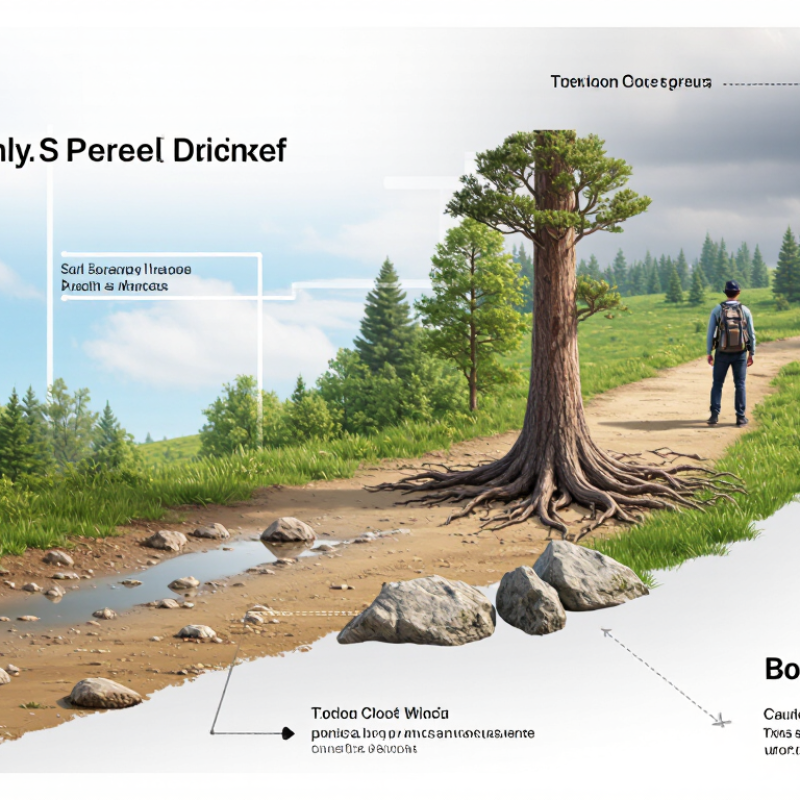
Uneven ground raises the risk of ankle sprains and falls. Loose gravel, wet roots, and steep descents can shift weight suddenly; tired legs may react too slowly. Knee soreness often develops on long downhill stretches, while sudden increases in distance can strain muscles and tendons. Small warning signs matter.

Weather and preparation add further risks. Heat can cause heavy sweating, dizziness, or dehydration; cold rain can chill hikers even when the walk feels manageable. Fatigue, an overloaded pack, or a rushed pace can make poor footing harder to handle. A blister may seem minor, but pain that worsens, swelling, or difficulty bearing weight deserves attention from a healthcare professional. I sometimes underestimate how quickly mild discomfort changes a person’s gait. That is worth noticing.

Factors That Increase the Chance of Injury

Injury risk rises when several small hazards meet: loose gravel, wet roots, poor light, and a hurried pace. Uneven ground can twist an ankle; a heavy pack shifts balance, especially on steep descents. Tired legs also lift less cleanly, making a small obstacle easier to miss. The World Health Organization reports that falls cause about 37.3 million injuries each year severe enough to require medical attention worldwide. That figure covers all settings, not just trails, but it shows why a simple stumble deserves attention.

Some risks are personal. Previous ankle or knee injuries, limited balance, and starting a route beyond your current fitness can make slips harder to recover from. Heat, cold, and rain add strain or reduce grip. The American College of Sports Medicine recommends gradual increases in exercise duration and intensity; applying that principle to hiking helps avoid sudden jumps in distance or elevation. A steep trail can feel manageable at the start. Not later.

Preparation matters, but it is imperfect. Check the forecast and route surface, wear shoes with dependable tread, and carry water suited to the trip. Keep a steady pace, especially on descents, and pause when footing becomes uncertain. Many walkers focus on reaching the summit and underestimate the return trip. That is an easy mistake to make.

How Injuries Affect Health and Outdoor Activities

Why Prevent Injuries While Walking or Hiking?

A sore ankle or a deep heel blister can change a pleasant outing into a slow, uncomfortable trip home. Injuries may affect more than the walk itself: pain can disrupt sleep, limit everyday movement, and make people less confident about going outdoors again. A twisted ankle on uneven ground may need proper assessment, especially if swelling is severe or putting weight on it is difficult. Small problems matter, too. A hot spot inside a shoe can become a blister before the next rest stop. It is easy to assume discomfort will simply pass, but pushing through pain can make an outing harder to manage.

Tips: Wear well-fitting shoes and comfortable socks. Start with a route that matches your current fitness, and increase distance gradually. Carry water, a charged phone, and a simple first-aid kit. Check the forecast and trail conditions before leaving. On the walk, notice changes in your pace, balance, or pain; take a break before fatigue makes each step less steady. These habits reduce avoidable risks, though they cannot prevent every injury.

After an injury, stop and check what happened rather than rushing onward. Rest, protect the area, and seek medical advice for severe pain, major swelling, numbness, or difficulty walking. Returning too soon can prolong recovery and keep you away from activities you enjoy. A cautious choice may feel frustrating in the moment. That trade-off is worth considering.

Why Prevent Injuries While Walking or Hiking?

U.S. pedestrian fatalities, 2018–2022

Why it matters: Preventing injuries helps protect health and preserve the ability to stay active outdoors. These figures show the serious potential consequences of pedestrian crashes; they are not specific to hiking injuries.

Source: National Highway Traffic Safety Administration (NHTSA), Traffic Safety Facts: Pedestrians, 2018–2022.

Benefits of Preventing Walking and Hiking Injuries

Preventing injuries while walking or hiking helps people stay active and enjoy the outdoors more consistently. A strained ankle or painful blister can interrupt daily walks for days. Avoiding these setbacks makes it easier to maintain fitness, sleep well, and feel steady on familiar routes. Small choices help.

Preparation can also make a hike more enjoyable. Well-fitting shoes, dry socks, and a gradual increase in distance reduce common sources of discomfort. On a rocky trail, slowing down and watching each foothold may prevent a fall. Carrying water and taking brief breaks can help, especially in heat or on steep climbs. These habits do not remove every risk, but they make many outings more manageable.

There is a confidence benefit, too. When people know how to pace themselves and notice early signs of soreness, they may feel more comfortable exploring new paths. Still, prevention is not perfect. A trail can be uneven, and fatigue can creep up unexpectedly. Pain that worsens or keeps returning deserves attention from a qualified health professional, rather than being pushed through. Choices that seem minor—such as turning back when conditions change—can protect future walks as much as the current one.

Basic Ways to Reduce Injury Risk

Before setting out, check the forecast and choose a route that fits your fitness and experience. Wear shoes that feel secure and have enough grip for the surface. A short walk around the block can reveal rubbing or loose laces before they become problems. Small checks help. Carry water, a charged phone, and a light layer, even when the sky looks clear. Tell someone where you plan to go if the route is remote.

Start at a pace that lets you speak comfortably, then warm up with a few minutes of easy walking. On uneven ground, shorten your stride and watch for loose stones, roots, and wet leaves. Use trekking poles if they help you feel steady, but practice with them before relying on them. Take breaks before fatigue affects your balance. If pain changes how you walk, stop and reassess rather than pushing through. I sometimes underestimate how quickly a familiar trail can become tiring; that is a useful reminder to leave room in the plan.

FAQS

How can I reduce the chance of blisters?

Wear secure shoes and dry socks. Take a short test walk and check for rubbing or loose laces. Small checks help.

What should I do before a hike?

Check the forecast and choose a route that fits your fitness and experience. Carry water, a charged phone, and a light layer. Tell someone your plans for remote routes.

How should I walk on rocky or uneven ground?

Shorten your stride and watch for loose stones, roots, and wet leaves. Slow down when the footing changes.

When should I take breaks?

Rest before fatigue affects your balance. Brief breaks can help on steep climbs or in hot weather. Don’t wait until you feel worn out.

Are trekking poles useful?

They may help you feel steadier, but practice with them before relying on them. They do not remove every risk.

What should I do if pain changes how I walk?

Stop and reassess rather than pushing through. Pain that worsens or keeps returning deserves attention from a qualified health professional.

How can I avoid tiring too quickly?

Start at a pace that lets you speak comfortably, then warm up with a few minutes of easy walking. I sometimes underestimate familiar trails. That needs reconsidering.

Why bother preventing small injuries?

Avoiding a strained ankle or painful blister can help you keep walking regularly. It may also support fitness, sleep, and confidence outdoors.

Conclusion

Walking and hiking are enjoyable ways to stay active, but uneven ground, slippery surfaces, steep slopes, and changing weather can increase the risk of blisters, sprains, strains, and falls. The chance of injury may also rise when people walk too far too quickly, wear unsuitable footwear, carry heavy packs, or continue despite fatigue. Injuries can cause pain, limit everyday movement, and interrupt outdoor activities, sometimes making it harder to maintain a regular exercise routine.

Knowing how to prevent injuries during walking or hiking helps people enjoy these activities more safely and confidently. Start with a route and pace that match your fitness level, warm up, and build distance gradually. Wear comfortable, supportive shoes, use appropriate clothing, carry water, and pay attention to trail conditions and weather. Taking breaks, staying alert, and stopping when pain or exhaustion develops can reduce avoidable risks. These simple habits support both physical well-being and more enjoyable time outdoors.

Henry

Henry

Henry is a dedicated marketing professional with a profound expertise in the company's offerings. With years of experience in the industry, he possesses an impressive understanding of the market dynamics and consumer behaviors that drive success. Henry is committed to sharing his insights through......