Top Tips to Prevent Falls in Elderly People for Better Safety?

Time:2026-05-05 Author:Oliver
0%

Falls among elderly individuals pose a significant health risk, with around 30% experiencing falls each year. This statistic highlights the importance of understanding how to prevent falls in elderly people. According to the CDC, falls are the leading cause of injury-related deaths among older adults. Every year, millions of seniors face disability or hospitalization due to fall-related injuries.

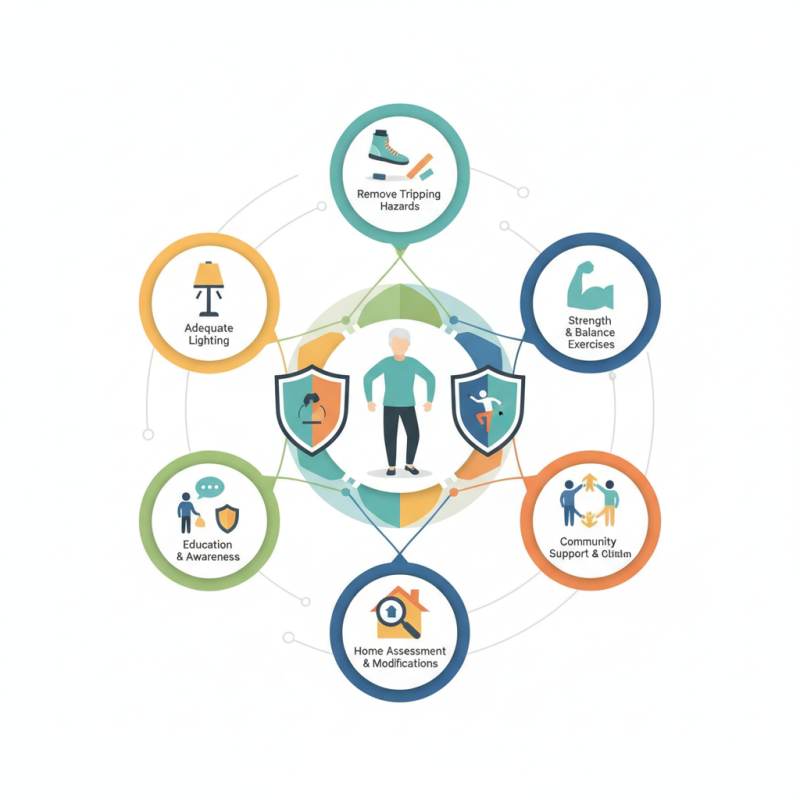
The consequences of falls can be severe, affecting mobility and independence. Simple measures can drastically reduce the risk. Engaging professionals and leveraging community resources is essential. Proper assessment and environmental modifications play crucial roles in fall prevention. For instance, ensuring adequate lighting and removing tripping hazards can create safer living spaces. Regular physical activity, especially strength and balance exercises, is vital to maintaining stability.

Despite these preventive strategies, awareness remains low. Many elderly individuals and caregivers may not recognize risks in daily routines. Continuous education and access to support services are necessary. Ultimately, a collaborative effort is key. Encouraging proactive measures fosters a safer environment for older adults, significantly reducing fall risks. As we explore effective strategies, addressing the complexities of each individual's situation will prove essential.
Top Tips to Prevent Falls in Elderly People for Better Safety?

Understanding the Causes of Falls in Elderly People

Falls among elderly individuals can result from various factors. According to the World Health Organization, approximately 28-35% of people aged 65 and older experience falls each year. These accidents often stem from weakened muscles, poor vision, and environmental hazards. Promoting an understanding of these causes can be vital for prevention.

One common cause of falls is the presence of clutter in living spaces. This can lead to tripping. It is essential to keep walkways clear. Regularly check areas for loose rugs or electrical cords. Another significant factor is medication side effects, which can cause dizziness. Regular consultations with healthcare providers about medication effects can help mitigate this risk.

Improving strength and balance through exercises can be beneficial. Activities such as tai chi or walking enhance stability. Simple tips like wearing proper footwear also play a crucial role. Ensuring good lighting throughout the home can further reduce fall risks. The environment should be safe and comfortable, promoting independence while minimizing hazards.

Top Tips to Prevent Falls in Elderly People

Home Modifications for Fall Prevention: A Step-by-Step Guide

Home modifications play a crucial role in preventing falls among elderly individuals. Simplifying access to different areas can make a significant difference. Start by ensuring that hallways and stairways are well-lit. Use bright, energy-efficient bulbs to illuminate dark corners. This simple change can enhance visibility significantly.


Next, consider decluttering spaces. Remove unnecessary furniture and obstacles that can lead to trips. Install handrails on both sides of stairs. This provides stability for those unsure of their footing. Adding non-slip mats in bathrooms can also prevent slips. These small adjustments are essential for enhancing safety at home.


Evaluate the height of furniture. Ensure beds and chairs are easy to sit down and stand up from. Lower furniture might pose a challenge. Think about adding grab bars in key areas. These modifications cater to individual needs and promote independence. Reflect on the layout and adapt it to create a safer living space.

Importance of Regular Exercise for Enhancing Balance and Strength

Regular exercise plays a crucial role in enhancing balance and strength for elderly individuals. Strengthening muscles can greatly reduce the risk of falls. Simple activities such as walking, tai chi, or even chair exercises can help. These exercises improve coordination and stability, essential for everyday movements.

Incorporating daily routines can be beneficial. Seniors can aim for at least 30 minutes of moderate activity most days. Maintaining consistency is key. For those new to exercise, starting slow and gradually increasing intensity can yield great results. It’s okay to feel challenged; the goal is progress, not perfection.

Additionally, having a partner during exercises can provide motivation and safety. Engaging friends or family can also make physical activity enjoyable. Always consult with healthcare professionals before starting a new exercise plan. This ensures activities align with personal health conditions and abilities. Taking these steps can significantly enhance safety and confidence in daily life.

The Role of Vision and Hearing Checks in Fall Prevention

Vision and hearing are critical for preventing falls in elderly people. Poor eyesight can lead to difficulties in detecting obstacles, while hearing loss may prevent awareness of surroundings. According to a report from the National Institute on Aging, around one in three seniors experience falls each year, with vision issues being a significant contributor.

Regular vision and hearing checks can help identify problems early. Simple adjustments, such as new glasses or hearing aids, can improve safety. Data from the Centers for Disease Control and Prevention suggests that seniors with untreated vision loss are more susceptible to falls. The link between sensory impairments and fall risk is well-established.

To enhance safety, encourage seniors to undergo comprehensive eye exams annually. Make it a habit to assess their hearing every few years. Additionally, consider implementing fall prevention strategies in the home. Clear pathways, adequate lighting, and removing tripping hazards can make a significant difference. Engaging in strength and balance training can also help improve coordination and reduce fall risks.

Creating a Support System: Community Resources and Family Roles

Creating a support system is vital for preventing falls in elderly individuals. Families play a crucial role in this process. Regular check-ins can greatly enhance safety. Simple interactions, such as phone calls or visits, allow family members to assess their loved ones' living environments. This connection fosters open communication, encouraging elderly people to express their safety concerns.

Community resources also contribute significantly. Local groups often offer home assessment programs. These programs identify potential hazards, like loose rugs or poor lighting. Applying these suggestions can reduce fall risks at home. Additionally, seniors can benefit from social programs that promote physical activity. Engaging in group exercises enhances strength and balance, essential for fall prevention.

However, not every family or community will have the resources needed. Some may struggle with mobility or financial constraints. Reflecting on these challenges is important. Finding creative solutions, like teaming up with neighbors, can establish a support network. Everyone deserves a safe living environment, and it starts with collective effort and compassion.

FAQS

: What percentage of seniors experience falls each year?

: Approximately 28-35% of people aged 65 and older experience falls annually.

What are common causes of falls among the elderly?

Weak muscles, poor vision, clutter, medication side effects, and environmental hazards contribute to falls.

How can clutter affect fall risks?

Clutter can cause tripping. Keeping walkways clear is essential for safety.

Why are vision and hearing checks important for seniors?

Poor eyesight and hearing loss can increase fall risks by impairing obstacle detection and awareness.

What can seniors do to improve their balance?

Engaging in exercises such as tai chi or walking can help enhance stability and strength.

How can family members contribute to fall prevention?

Regular check-ins allow family members to assess safety and encourage open communication about concerns.

What community resources help prevent falls?

Local groups may offer home assessments to identify hazards and suggest fall prevention strategies.

What should seniors assess in their homes for safety?

Good lighting, clear pathways, and removal of tripping hazards are essential improvements.

What challenges do some families face in supporting seniors?

Mobility and financial constraints may limit resources for fall prevention efforts.

How can neighbors assist in creating a support system?

Teaming up with neighbors can help establish a network, pooling resources for safety.

Conclusion

Falls among elderly individuals can lead to serious injuries, making it crucial to understand how to prevent falls in elderly people. A comprehensive approach includes identifying the common causes of falls, such as environmental hazards, poor balance, and vision impairments. Home modifications, such as improving lighting and removing trip hazards, can greatly enhance safety.

Incorporating regular exercise plays a vital role in maintaining balance and strength, which are key in fall prevention. Additionally, routine vision and hearing checks ensure that any sensory impairments are addressed, further reducing the risk of falls. Finally, creating a robust support system through community resources and family involvement can provide the necessary assistance and monitoring that elderly individuals might need to stay safe and independent.

Oliver

Oliver

Oliver is a seasoned marketing professional with a wealth of expertise in driving brand awareness and engagement. With a deep understanding of our company's product offerings, he consistently delivers high-quality content that enriches our professional blog. His insights not only shed light on......