Orthotics can greatly improve comfort and mobility for many individuals. But what are orthotics and how do they work? These custom-designed devices aim to support or correct musculoskeletal issues. They are often prescribed for conditions like flat feet, plantar fasciitis, and other foot problems.
The effectiveness of orthotics lies in their ability to redistribute pressure and provide stability. They can be made from various materials and can fit into different types of footwear. However, not everyone responds the same way to orthotic treatments, which can lead to mixed outcomes. It’s essential to consult a healthcare professional for personalized advice.
Understanding the role of orthotics requires acknowledging their intended purpose. While many find relief, some might not experience the desired effect. Personal experiences and individual anatomy play significant roles. The balance between expectations and reality can stir reflections on the need for comprehensive care in managing foot health.
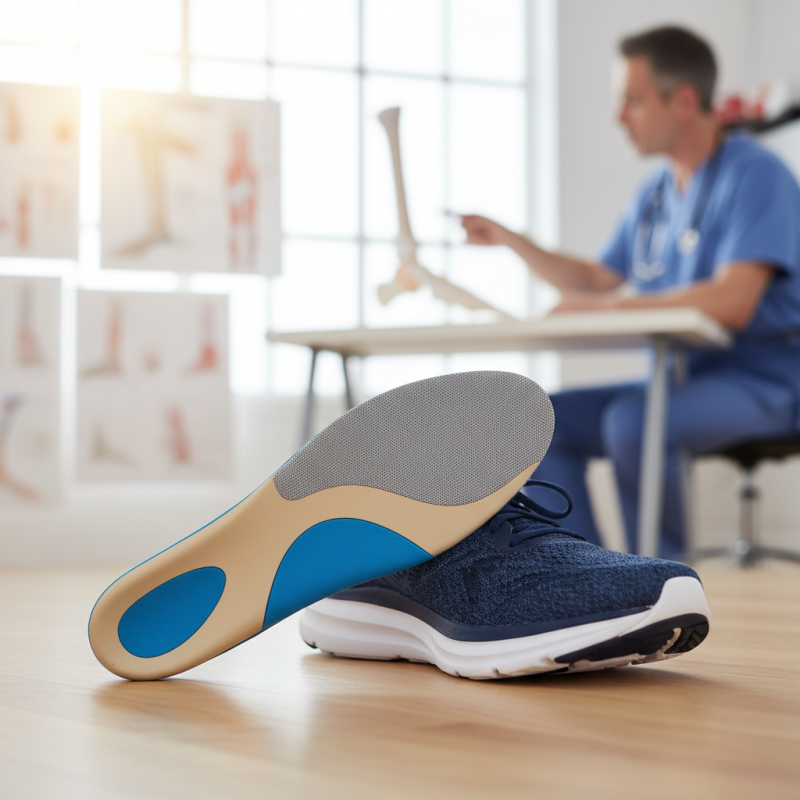
Orthotics play a crucial role in enhancing comfort and mobility in daily life. They are devices designed to support, align, or improve the function of parts of the body, particularly the feet. Research indicates that 75% of adults will experience foot problems at some point. By addressing these issues, orthotics can relieve pain and prevent further complications.
Many people underestimate the importance of proper foot support. Custom orthotics can correct biomechanical issues, improving alignment and posture. This can lead to better overall physical health. In fact, a study showed that wearing orthotics reduces pain in 60% of patients with chronic foot issues. This is a clear indicator of their effectiveness in daily living.
Tips: When selecting orthotics, consider your specific needs. A consultation with a podiatrist is valuable. Pay attention to how your feet feel during activities. Remember, not every orthotic fits all. Personal adjustments may be necessary for optimal comfort and function.
Orthotics play a vital role in enhancing comfort and mobility for many individuals. When it comes to options, two primary types exist: custom and over-the-counter orthotics. Custom orthotics are designed specifically for an individual’s foot shape and gait. A professional assessment typically precedes their creation. This process ensures they address unique biomechanical issues, providing optimal support.
On the other hand, over-the-counter ortho products are readily available. They are a practical option for those seeking immediate relief or simplicity. However, these generic alternatives may lack the perfect fit. While they can alleviate some discomfort, they may not address the root of the problem. Users should be aware that what works for one person might not work for another.
Choosing between these types requires reflection. Evaluate your needs carefully. Consider your pain level and activity level. Do you have flat feet or high arches? Understanding your requirements helps guide your choice. Custom orthotics might offer a long-term solution, while over-the-counter options could serve as a temporary fix.
Orthotics are custom-designed devices that support and align the body. Their design process is intricate, focusing on individual needs. Each orthotic starts with an evaluation by a healthcare professional. This ensures a tailored approach. A combination of physical assessments and imaging techniques is often used. These methods help understand the user's unique foot mechanics.
Materials play a crucial role in orthotic design. Flexible and rigid materials are chosen based on the specific needs of the user. For instance, athletes may require different support than someone with arthritis. 3D printing technology has improved manufacturing. It allows for more precise and comfortable fittings. This technology can create custom molds efficiently.
However, the road to perfect orthotics isn't free of challenges. Some users might find initial discomfort. Adjustments may be necessary. It's essential to communicate openly with healthcare providers during this process. Regular follow-ups can lead to enhancements in design and fit. Each orthotic must adapt to the changing needs of its user over time.
Orthotics play a crucial role in enhancing body mechanics. They are specially designed devices that support various parts of the body, especially the feet. By redistributing pressure and aligning the body structure, orthotics can relieve pain and improve posture. This support mechanism is vital for those with foot abnormalities or musculoskeletal issues.
The action of orthotics is based on their ability to modify the body’s alignment. When you wear an orthotic device, it influences how weight is distributed across your body. This can reduce strain on certain joints and prevent discomfort during daily activities. Adjusting foot alignment can have a ripple effect on the knees, hips, and lower back. However, not everyone experiences immediate relief. Some may need time to adjust to the new support.
In practice, the effectiveness of orthotics can vary. Individual anatomy and activity levels come into play. Some people find significant benefits, while others feel minimal changes. Understanding your body’s response is key. Regular feedback from healthcare professionals can fine-tune the orthotic design for optimal benefits. Though orthotics can be incredibly beneficial, users must remain patient during their adjustment period.
Orthotics are custom-made devices designed to support and improve foot function. Many people use orthotics to alleviate pain and correct alignment issues. They can be beneficial for various health concerns, such as plantar fasciitis or arthritis. Orthotics provide cushioning and stability, making it easier to walk or engage in physical activities.
For athletes, orthotics can enhance performance. A well-fitted orthotic can improve balance and reduce the risk of injury. They help absorb shock during high-impact activities like running or playing sports. However, not everyone finds instant relief. Some may feel discomfort as their feet adjust to the new support. It’s essential to assess this comfort level regularly.
People with flat feet or high arches may benefit the most from orthotic use. They promote better posture and reduce strain on the knees and hips. Yet, fitting orthotics requires professional assessment. A misfit can lead to further complications. So, it's crucial to monitor how they impact daily activities and seek adjustments when necessary.
: Orthotics are devices designed to support and align various body parts, particularly the feet.
They relieve pain by redistributing pressure and improving body structure alignment.
No, some individuals may take time to adjust and may not feel instant comfort.
They can alleviate conditions like plantar fasciitis, arthritis, and help with foot abnormalities.
They can enhance balance, reduce injury risks, and absorb shock during high-impact activities.
Yes, misfitting orthotics can complicate issues. Professional assessment is crucial for proper fitting.
Regularly assess comfort levels and seek professional advice for necessary adjustments.
It's not advisable. A professional evaluation ensures orthotics suit your specific needs.
Be patient and observe how the orthotics impact your daily activities and comfort.
No, effectiveness varies based on individual anatomy and activity levels. Results can differ.
Orthotics are specialized devices designed to align, support, and relieve pressure on the body, particularly the feet and lower limbs. They serve an essential purpose in daily life by improving biomechanics, enhancing comfort, and preventing injuries. When exploring what are orthotics and how do they work, one must consider the different types available, including custom-made options tailored to individual needs and over-the-counter alternatives that offer general support.
The design and manufacturing of orthotics involve careful analysis of an individual's unique anatomy and lifestyle requirements. Their mechanism of action includes redistributing body weight, stabilizing joints, and correcting alignment issues, thereby providing numerous benefits for various health conditions and activities. Whether used for managing chronic pain, improving athletic performance, or supporting recovery, orthotics can play a crucial role in promoting overall well-being.

Medivoxa Medical