Mobility plays a crucial role in shaping the quality of life for seniors. Understanding how does mobility affect quality of life in seniors is essential for caregivers and families. Many elderly individuals face mobility challenges due to health issues or aging. These difficulties can lead to feelings of isolation and limit their ability to engage in social activities.
Access to transportation options and physical mobility affects seniors' independence. For many, this independence is tied to their self-esteem. When mobility is restricted, daily activities like shopping or visiting friends become daunting tasks. This limitation can cause frustration and anxiety, impacting mental well-being.
Conversely, increased mobility can significantly enhance a senior's life. Able seniors often report higher satisfaction and happiness. They participate in community events and maintain social connections. However, not all seniors enjoy the same mobility options. It’s important to reflect on the diversity of experiences among elderly individuals. Exploring ways to improve mobility can lead to a better quality of life for many seniors.
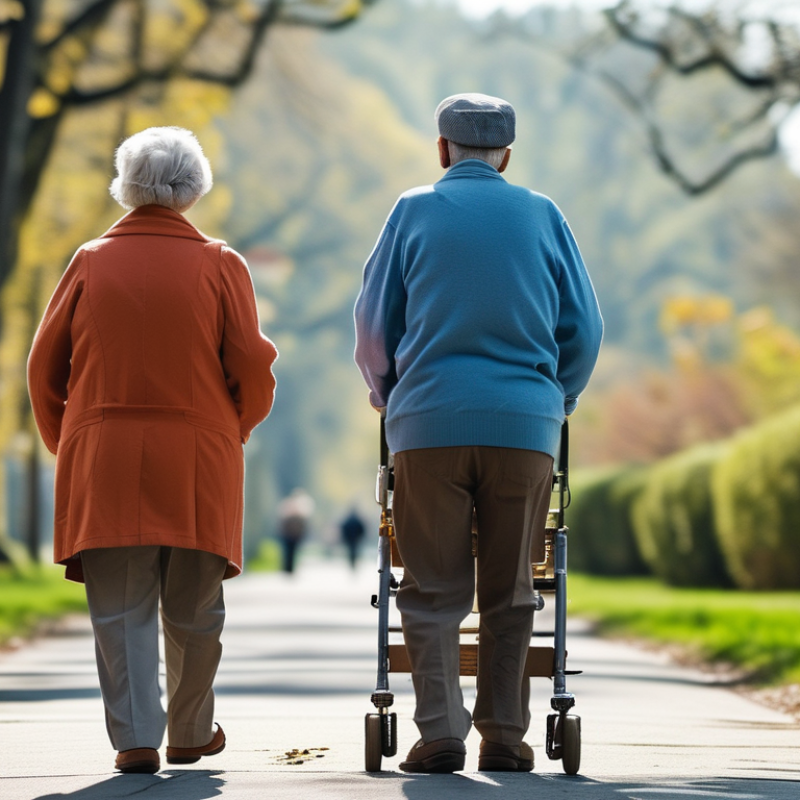
Mobility plays a crucial role in the quality of life for seniors. According to a report from the World Health Organization, around 80% of older adults face mobility challenges. These challenges can lead to significant limitations in daily activities. When seniors struggle with mobility, their independence is often compromised. This can impact their mental well-being and lead to feelings of isolation.
Improving mobility can enhance a senior's lifestyle. A study published in the Journal of Aging and Physical Activity highlights that regular physical activity can increase mobility by up to 30%. Simple activities, like walking or light stretching, contribute to better balance and strength. However, many seniors may resist exercise due to fear of falls or injury. This reluctance often limits their overall mobility and quality of life.
Access to transportation services is also essential. A report by AARP indicates that over 25 million seniors in the U.S. do not drive. This lack of access can lead to reduced engagement in social activities. Many seniors may find it difficult to visit friends or family, affecting their social connections. Improving mobility through support services is vital for enabling seniors to maintain these connections. Addressing mobility issues is a complex challenge, requiring a multifaceted approach to ensure seniors live healthy and fulfilling lives.
Physical mobility significantly influences the daily lives of seniors. According to the World Health Organization, about 28-35% of adults aged 65 and older experience falls each year, largely due to reduced mobility. This statistic highlights the importance of maintaining physical activity. When seniors engage in regular movement, they enhance muscle strength and coordination. Such improvements can reduce the risk of falls and injuries.
Mobility affects not just physical health but also mental well-being. Research indicates that active seniors report lower rates of depression and anxiety. An American Journal of Preventive Medicine study found that those who walk regularly experience about a 40% reduction in risk for depression. Additionally, maintaining mobility allows seniors to participate in social activities, fostering connections that combat feelings of loneliness.
Despite the clear benefits, many seniors face barriers to mobility. Issues such as arthritis or fear of falling can hinder movement. In reality, only about 10% of seniors meet the recommended guidelines for physical activity. This underscores the need for programs that address these challenges. Ensuring that seniors have access to safe exercise environments is crucial for enhancing their mobility and, consequently, their quality of life.
| Tip | Description | Impact on Quality of Life |
|---|---|---|
| Regular Exercise | Engaging in physical activities tailored for seniors. | Improves strength, flexibility, and overall mobility. |
| Walking Groups | Joining community walking groups for socialization. | Boosts mental well-being and fosters community connections. |
| Use of Mobility Aids | Utilizing canes, walkers, or scooters as needed. | Enhances independence and confidence in mobility. |
| Home Modifications | Making adjustments like grab bars and ramps. | Increases safety and ease of movement within the home. |
| Engaging in Hobbies | Participating in activities like gardening or crafts. | Enhances creativity and provides a sense of purpose. |
| Social Activities | Attending local events and community centers. | Reduces isolation and encourages social interaction. |
| Transportation Access | Utilizing public transport or ride services. | Facilitates access to essential services and activities. |
| Regular Health Check-ups | Keeping chronic conditions managed and monitored. | Leads to better overall health and mobility. |
| Mindfulness Practices | Engaging in yoga or meditation for mental wellness. | Enhances mental clarity and promotes relaxation. |
| Nutrition and Hydration | Maintaining a balanced diet and adequate hydration. | Supports physical health and energy levels. |
Mobility plays a crucial role in the emotional well-being of seniors. When older adults can move freely, they experience a sense of independence. This independence boosts self-esteem and enhances mood. Conversely, limited mobility often leads to feelings of isolation. Seniors may feel trapped in their homes, which can exacerbate depression.
Engaging with the community is vital for mental health. Mobility allows seniors to participate in social activities. They can attend gatherings, join clubs, or simply enjoy a walk in the park. These experiences provide necessary social interactions, helping to combat loneliness. On the other hand, restricted movement can lead to cognitive decline over time. A sedentary lifestyle may impact the brain negatively, leading to further challenges.
Finding ways to improve mobility is essential. Simple activities like stretching and light exercises can make a difference. However, many seniors may resist change, feeling overwhelmed by physical challenges. It’s important to recognize these barriers. Encouragement from loved ones can help. Building a supportive environment can empower seniors to take charge of their mobility, leading to improved mental health and emotional well-being.
Mobility plays a crucial role in the lives of seniors, particularly in how they engage with their communities. When mobility is limited, seniors often face isolation. This can lead to feelings of loneliness and depression. In contrast, those who can move easily tend to participate more in social activities. They go to community centers, visit friends, and engage in local events. These experiences significantly enhance their overall well-being.
Transportation options are also vital for maintaining social networks. Seniors who drive or have access to public transit often feel more connected. They can maintain relationships with family and friends. However, not all communities provide accessible transport. This lack of resources can hinder active participation. So, it’s essential to advocate for better mobility solutions.
Community engagement is not just about physical presence. It’s about feeling connected. Seniors who struggle to get out may miss vital support and companionship. They might depend on caregivers or technology for communication. This reliance can lead to a disconnect from the community. Finding ways to improve mobility can bridge these gaps. The impact on social interaction is profound, creating a ripple effect on seniors’ quality of life.
Mobility significantly influences the quality of life for seniors. Research indicates that about 80% of seniors experience mobility issues, impacting their independence and overall well-being. Enhancing mobility can lead to increased social interaction and improved mental health.
One effective strategy is introducing regular physical activity. Simple exercises like walking or stretching can increase strength and flexibility. Aim for at least 150 minutes of moderate activity weekly. This level of activity is linked to lower rates of depression and better cognitive function in seniors.
Consider using assistive devices if needed. Canes, walkers, or mobility scooters help maintain independence. These tools can reduce fall risks, thereby increasing confidence. It’s essential to create a safe environment at home to limit obstacles.
Additionally, encourage participation in community programs. Engaging in social activities can uplift mood and build support networks. A National Institutes of Health report highlights that community involvement often leads to heightened life satisfaction among seniors. Prioritizing mobility not only enhances physical health but also nurtures emotional well-being.
: Mobility impacts seniors' quality of life, independence, and mental well-being.
About 80% of older adults experience mobility challenges regularly.
Regular physical activities, like walking or stretching, can improve mobility by up to 30%.
Fear of falls or injury often prevents seniors from engaging in physical activity.
Restricted mobility can lead to feelings of isolation and exacerbate depression.
Community engagement helps seniors stay socially connected, improving emotional well-being.
Light stretching and walking are effective for enhancing strength and flexibility.
Many feel overwhelmed by physical challenges and may doubt their abilities.
Canes, walkers, and mobility scooters can help seniors maintain independence.
Encouragement and creating a supportive environment can inspire seniors to improve their mobility.
Mobility plays a crucial role in determining the quality of life in seniors, influencing not only their physical capabilities but also their emotional and social well-being. Understanding how does mobility affect quality of life in seniors involves recognizing its importance in daily activities, as enhanced mobility allows older adults to perform essential tasks independently, fostering a sense of autonomy. Physical mobility directly impacts their mental health, as being active can lead to improved mood and reduced feelings of isolation.
Furthermore, mobility influences social interactions and community engagement, which are vital for maintaining positive relationships and emotional health. By implementing strategies to enhance mobility—such as regular exercise, accessibility improvements, and social support—seniors can significantly improve their quality of life. Ultimately, prioritizing mobility can lead to healthier, more fulfilling lives for older adults, emphasizing its critical role in their overall well-being.

Medivoxa Medical