Walking is a fundamental activity that significantly impacts our overall health. Yet, many overlook how to improve posture while walking. Studies show that poor walking posture can lead to musculoskeletal issues, affecting more than 80% of people at some point in their lives. According to the American Chiropractic Association, proper posture can enhance physical performance, reduce fatigue, and prevent pain.
Expert and physical therapist Dr. Emily Johnson emphasizes the importance of awareness in posture. She states, "Improving your walking posture starts with your mindset." Mindfulness can help individuals align their body properly during movements, reducing strain on joints and muscles.
Implementing effective strategies to correct posture while walking can be transformative. Simple changes, like engaging core muscles and aligning the head, neck, and shoulders, can make a significant difference. Yet, many may find it challenging to maintain these adjustments consistently. Recognizing this struggle is crucial, as effective change often requires ongoing effort and reflection.
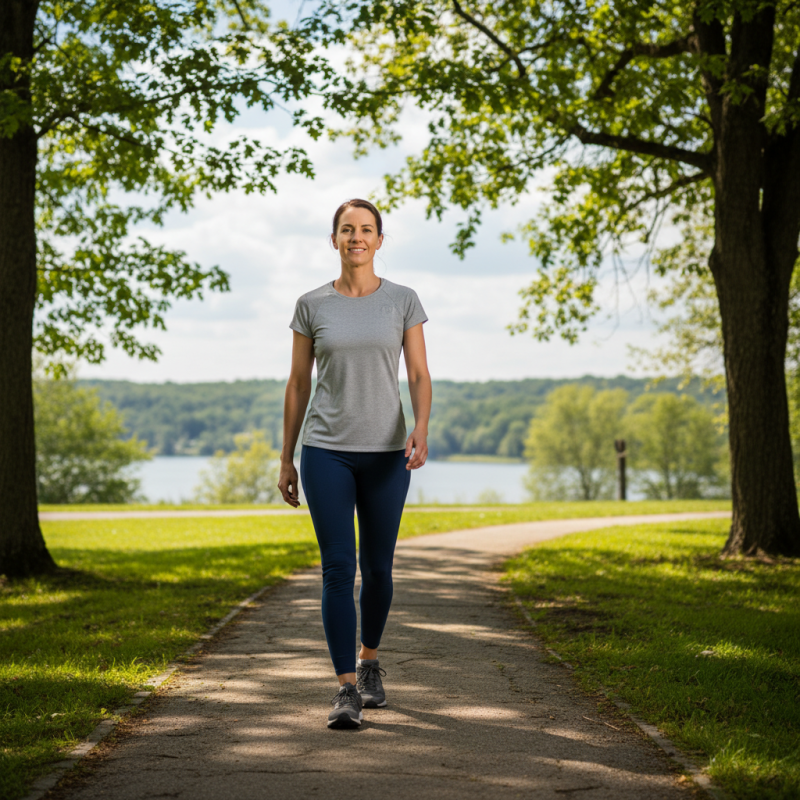
Good posture while walking is crucial for overall health. It enhances balance and minimizes stress on your joints. When you walk with your back straight, shoulders back, and head up, it encourages proper alignment. This simple adjustment can make a significant difference in how you feel. A small change in posture can lead to fewer aches and pains.
Many people overlook their walking posture. Often, we hunch our shoulders or look down at our phones. This can lead to muscle fatigue and discomfort. Being mindful of your body position while walking can help combat these issues. Practice standing tall. Imagine a string pulling you up from your head. This visualization can remind you to maintain good posture throughout your walk.
It’s important to check in with yourself regularly. Are you slumping or leaning? Take time to correct these habits. Notice how your body feels when you adopt better posture. You might experience greater energy and less strain. Making these adjustments takes time but is worth the effort. Small changes can lead to meaningful improvements in your well-being.
| Posture Tips | Description | Health Benefits |
|---|---|---|
| Head Alignment | Keep your head up and look forward, not down at your feet. | Reduces neck strain and promotes better spinal alignment. |
| Shoulders Back | Roll your shoulders back and keep them relaxed. | Improves breathing and reduces tension in the upper back. |
| Engage Your Core | Tighten your abdominal muscles while walking. | Supports your spine and improves balance. |
| Feet Position | Walk with your feet pointing straight ahead. | Prevents injuries and promotes good biomechanics. |
| Use Comfortable Footwear | Choose shoes that provide good support and cushioning. | Reduces discomfort and improves overall walking experience. |
: Good posture enhances balance and reduces stress on your joints, leading to better overall health.
Proper alignment can lead to fewer aches and pains, making walking more enjoyable and less strenuous.
Many people hunch their shoulders or look down, which can cause muscle fatigue and discomfort.
Stand tall, align your head over your spine, and engage your core muscles for better stability.
Uneven surfaces can challenge posture, so stay mindful of your surroundings to maintain balance.
Proper posture can lead to greater energy and less strain on your body during walking.
Research indicates that good posture can lower the risk of back pain and improve breathing efficiency.
Yes, maintaining an upright posture may boost confidence and reduce anxiety, promoting overall well-being.
Many struggle to maintain awareness of posture due to old habits formed during sedentary activities.
Incorporating mindfulness techniques and regularly checking your body position can help establish better habits.
Good posture while walking is essential for overall health and can significantly reduce the risk of injury. To understand how to improve posture while walking, one must first recognize common postural errors, such as slumping or leaning too far forward, which can lead to musculoskeletal issues. Implementing key techniques, such as maintaining an upright spine, engaging core muscles, and incorporating proper arm movement, can greatly enhance walking posture.
Additionally, choosing the right footwear plays a critical role in supporting proper alignment and reducing stress on the body. Research has shown that improved posture not only enhances walking efficiency but also contributes to better respiratory function and circulation. Therefore, focusing on how to improve posture while walking can lead to substantial health benefits and an overall better quality of life.

 Medivoxa Medical