Improving mobility for elderly people safely is a crucial aspect of enhancing their quality of life. As Dr. Emily Harrison, a geriatric physiotherapist, emphasizes, "Creating a safe environment allows seniors to move freely and confidently." Safety is paramount when considering mobility solutions.
Simple modifications in the home can make a significant difference. Using non-slip mats can prevent falls. Handrails provide essential support in hallways and bathrooms. The right furniture layout can ensure clear pathways. Each detail enhances safety and encourages movement.
It’s essential to recognize that not all solutions work for everyone. Seniors have unique needs. What works for one person may not suit another. Therefore, a tailored approach is vital. Consulting with professionals can help identify effective strategies on how to improve mobility for elderly people safely. By focusing on each individual's circumstances, we can pave the way for safer mobility.
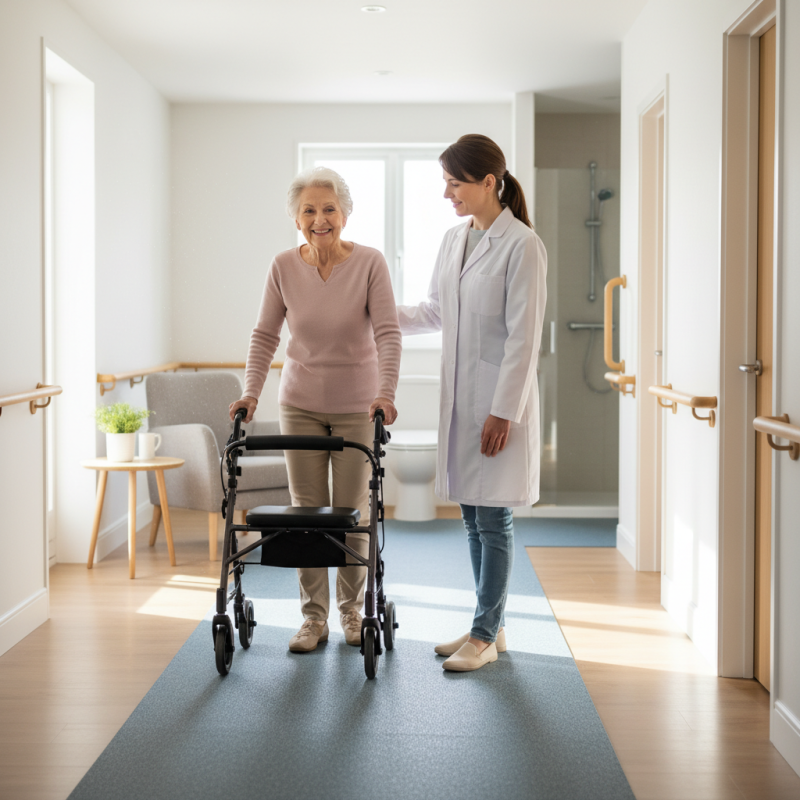
Mobility challenges for elderly individuals are significant and multi-faceted. It is reported that nearly 29% of older adults fall each year, leading to serious injuries. Fear of falling often limits their daily activities. Basic tasks, like getting up from a chair or walking to the bathroom, can become daunting. Many seniors cope with arthritis, balance issues, or weakened muscles. This impacts their independence and quality of life.
Adaptations in the home are critical. Simple modifications, like installing grab bars and removing tripping hazards, can make a difference. According to a study by the National Institute on Aging, 40% of elderly individuals feel unsafe at home due to mobility issues. Ensuring well-lit areas and clear pathways can enhance confidence.
Additionally, community programs focusing on strength and balance training are beneficial, yet only a small percentage of seniors participate. The need to address these barriers is urgent. Creating a safer environment is a step toward fostering greater mobility and independence for older adults.
When assessing the home environment for elderly mobility, safety is paramount. Start by examining common areas. Ensure carpets are secured. Loose rugs can cause trip hazards. Consider installation of non-slip mats in the kitchen and bathroom. Bright lighting plays a vital role in preventing falls.
Tips: Use night lights in dark hallways. They guide safely from room to room.
Next, evaluate furniture arrangements. Allow enough space for a walker or cane. Remove unnecessary items that clutter pathways. Keeping areas open reduces the risk of accidents. Check if handrails are installed on stairs. They provide necessary support if mobility is limited.
Tips: Use color contrast on stairs. This helps in better visibility.
Lastly, assess the bathroom. A grab bar near the toilet adds security. Installing a shower chair can make bathing safer and more comfortable. Regularly check that these safety features remain secure. Focus on creating an elder-friendly environment that promotes independence while minimizing risks.
Implementing assistive devices can significantly enhance mobility for elderly individuals at home. Devices like walkers, canes, and wheelchairs provide crucial support. They help maintain balance while reducing the risk of falls. Simple modifications, such as grab bars in the bathroom, also increase safety and confidence.
Not every device works for everyone. Some may find a walker cumbersome, preferring a lightweight cane instead. It’s essential to assess individual needs. A physical therapist can provide insights on the best options. Regular evaluations ensure that these devices continue to meet mobility needs over time.
In addition to physical aids, smart home technology can play a vital role. Voice-activated devices or sensors can help elderly individuals move around safely. However, reliance on technology can sometimes be problematic. It requires a learning curve and may not be suitable for everyone. A thoughtful approach is necessary to balance technology and traditional aids.
Establishing a regular exercise routine for seniors can significantly enhance mobility. Simple activities like walking or stretching can be tailored to their abilities. It's essential to start slowly. Begin with short sessions, and gradually increase the duration and intensity.
Incorporating balance exercises is crucial. Tai Chi or standing on one leg can help improve stability. However, seniors should be monitored, as these activities may feel daunting at first. It's not uncommon for individuals to feel apprehensive. Encourage them to voice their concerns and make adjustments as needed.
Consistency is key, yet motivation can fluctuate. Collaborating with family or friends can foster a supportive environment. Celebrate small achievements. This can instill a sense of accomplishment and spark further participation. Promoting a safe home environment is vital. Ensure there are no obstacles that could lead to slips or falls during their workouts.
Creating a robust support system for elderly mobility improvement at home is crucial. Studies show that about 25% of older adults experience falls each year. These incidents can be attributed to mobility issues and inadequate support. Therefore, a well-structured environment enhances safety and confidence.
Engaging family members and caregivers is essential for ongoing encouragement. Regular communication can foster a sense of accountability. Involving multiple generations can help bridge knowledge gaps. For example, simple activities like walking together can enhance strength and balance. The presence of a supportive network boosts participation in exercise programs, which are vital for improving mobility.
Additionally, technology can play a significant role. Devices such as fall alarms and smart home systems offer peace of mind. However, not all elderly individuals embrace tech. Regular usage requires training and patience. It’s vital to ensure that they feel comfortable using these tools. Continuous feedback and adjustment help build a reliable system. This approach not only aids mobility but also encourages social interaction, combating isolation.
: Start by securing carpets and using non-slip mats, especially in kitchens and bathrooms.
Use bright lighting and night lights in dark areas to guide safely from room to room.
Allow space for walkers or canes and remove clutter from pathways to reduce accidents.
Install grab bars and consider a shower chair to make bathing safer and more comfortable.
Devices like walkers and canes maintain balance and reduce fall risks, but individual needs vary.
Regular evaluations ensure that devices meet current mobility needs effectively over time.
Simple activities like walking or tai chi can enhance mobility, starting slowly and building gradually.
Collaborate with family and celebrate small achievements to foster a supportive exercise environment.
Voice-activated devices can support mobility, but ensure they’re user-friendly and not overly complicated.
Reflect on individual comfort levels and needs, as not every solution works for everyone.
Improving mobility for elderly people safely at home involves a multifaceted approach that can enhance their quality of life. First, it is essential to understand the mobility challenges that seniors face, such as balance issues and physical limitations. A thorough assessment of the home environment can identify potential hazards, allowing for modifications to ensure safety and ease of access. Implementing assistive devices, such as walkers or grab bars, can further support independence.
Establishing a regular exercise routine tailored to seniors helps to improve strength, flexibility, and coordination, which are vital for mobility. Additionally, creating a support system that includes family, friends, and caregivers promotes consistency in mobility improvement efforts. By combining these strategies, we can effectively address **how to improve mobility for elderly people safely**, fostering a safer and more active lifestyle for our older loved ones.

Medivoxa Medical