Why Is Knee and Ankle Stability Important?

Time:2026-10-31 Author:Sienna
0%

Knee and ankle stability matters in ordinary moments: stepping off a curb, turning across a wet floor, or carrying groceries down stairs. These joints help control movement and absorb changing forces. When they feel weak or unreliable, even familiar tasks can become cautious. That does not mean every wobble signals an injury. Still, repeated giving-way, pain, or swelling deserves attention from a qualified health professional.

For a practical starting point, ask: “what are the best ways to support knee and ankle stability”? The answer usually involves more than one exercise. Strengthening the muscles around the hips, thighs, calves, and feet can help build control. Balance practice, suitable footwear, and gradual increases in activity may also contribute. Dr. Kelly Starrett, physical therapist and mobility expert, writes, “All human beings should be able to perform basic maintenance on themselves.” His point is useful here: noticing how your body moves can be a skill, not a test of toughness.

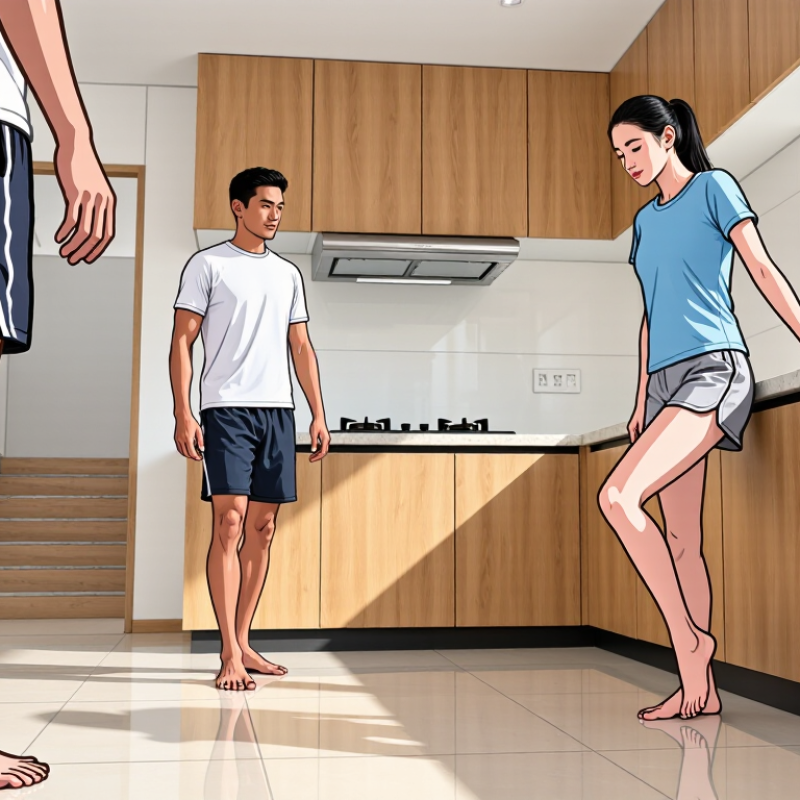
A simple example is standing near a counter and balancing on one foot, then switching sides. Keep the surface clear. Stop if the movement causes pain or feels unsafe. Small steps count. Yet stability is personal; an exercise that suits one person may not suit another. Age, prior injuries, health conditions, and sport demands all matter. I would not treat a short routine as a guaranteed fix. This guide will explore practical ways to support steadier knees and ankles, while recognizing when professional advice is the wiser next step.
Why Is Knee and Ankle Stability Important?

What Knee and Ankle Stability Means

Knee and ankle stability means controlling how these joints move while your body bears weight. It is not about keeping them perfectly still. When you walk, climb stairs, or step onto uneven ground, muscles, tendons, ligaments, and the nervous system work together to guide movement. The knee needs control as it bends and straightens; the ankle adjusts to small changes underfoot. Good control can help make everyday movement feel steadier, but it does not guarantee injury prevention.

Stability is easier to notice in simple tasks. Can you stand on one leg briefly without the knee collapsing inward or the ankle wobbling sharply? Can you lower yourself from a step with control? These are clues, not diagnostic tests. Some variation is normal, and tiredness, pain, past injuries, or footwear can affect how a movement feels. It is easy to mistake stillness for strength; joints need to move, just with control.

Tips: Practice slow, supported single-leg stands near a counter, or controlled heel raises. Keep movements comfortable, and stop if pain or unusual swelling appears. Small, steady practice may be more useful than forcing a perfect-looking position. If instability persists or affects daily activities, ask a qualified health professional for an assessment.

How the Knee and Ankle Work Together

Why Is Knee and Ankle Stability Important?

How the Knee and Ankle Work Together

Your ankle meets the ground first, adjusting to slopes, uneven pavement, and sudden changes in direction. The knee then helps absorb force and control how your leg bends. They work as a chain: ankle movement influences how your shin travels, while knee control affects how force passes back toward your foot. Picture stepping off a curb. If your ankle wobbles, your knee may shift inward as you catch your balance. This relationship is useful to understand, though it can oversimplify the many ways people move.

The International Ankle Consortium’s 2016 position statement reports that about 40% of people may develop chronic ankle instability after an ankle sprain. That lingering instability can make repeated tasks, such as stairs or quick turns, feel less secure and may change how someone loads the leg. A history of pain or sprains matters, but it does not tell the whole story; strength, mobility, balance, and confidence also affect movement.

Tips: Try a slow, supported single-leg stand beside a counter. Notice whether your knee drifts inward or your ankle rolls outward. Stop if it hurts. Small balance drills can help, but they are not a diagnosis or a substitute for professional assessment when instability persists.

How Stability Supports Movement and Balance

Why Is Knee and Ankle Stability Important?
How Stability Supports Movement and Balance

Stability helps the knee and ankle control movement while the body shifts, turns, or absorbs impact. It does not mean keeping joints stiff. Instead, muscles, tendons, ligaments, and sensory feedback work together to make small adjustments. When you step off a curb, your ankle responds to the ground while your knee helps manage the load. These corrections happen quickly, often without conscious thought.

Balance depends on more than strong legs. The feet sense pressure changes, and the nervous system uses that information to adjust posture. A steady ankle can help you stand on uneven pavement; a controlled knee can help guide a stair descent. Small movements matter. If a joint feels uncertain, people may change how they walk or avoid certain motions, though the reason can vary.

Strength and coordination can support stability, but more effort is not always better. Slow, controlled movements—such as standing on one leg near a wall—can reveal how your balance responds. Keep the surface safe, and stop if pain or unusual symptoms appear. It is easy to focus only on the knee; the ankle, hip, and trunk also influence how movement feels. The body rarely works in neat, separate parts.

Why Is Knee and Ankle Stability Important? — How Stability Supports Movement and Balance

Stability Dimension How the Knee or Ankle Contributes Movement or Balance Example Why It Matters
Joint alignment and control The knee and ankle work with muscles, tendons, ligaments, and joint surfaces to guide and control lower-limb movement. Keeping the knee and foot controlled while standing up from a chair. Coordinated control helps the leg accept body weight and move without excessive, uncontrolled motion.
Weight-bearing support The knee transfers forces between the thigh and lower leg, while the ankle helps support the body over the foot. Standing, walking, or carrying an object. Stable support helps distribute forces through the lower limb during everyday activities.
Balance and postural control Sensory information from the foot, ankle, and surrounding tissues helps the nervous system make ongoing adjustments to posture. Standing on one leg or making a small correction after a gentle shift in body weight. These adjustments help keep the body’s center of mass over its base of support.
Walking and direction changes The ankle moves as the foot meets and pushes away from the ground; the knee bends and straightens to help manage body movement. Walking, turning, or stepping around an obstacle. Controlled motion supports a smoother transfer of weight from one leg to the other.
Shock absorption Bending at the knee and movement through the foot and ankle help the lower limb adapt to impact and uneven surfaces. Going down stairs or landing from a small hop. Coordinated movement helps manage impact forces; the amount of force depends on the activity and how it is performed.
Single-leg support The hip, knee, ankle, and foot coordinate to keep the body supported when the other foot is off the ground. The brief single-leg phase that occurs during walking, or stepping onto a curb. Good control can make weight transfer more steady and help reduce unnecessary wobbling.
Movement confidence Reliable lower-limb control can help a person perform familiar movements with greater steadiness. Climbing stairs, reaching while standing, or walking on a firm, level surface. Stability is one part of functional movement, alongside strength, mobility, coordination, vision, and sensation.

Note: Stability is not the same as stiffness. Healthy movement requires both control and enough mobility for the task. Persistent pain, swelling, repeated giving-way, or difficulty bearing weight should be assessed by a qualified healthcare professional.

Why Joint Stability Helps Prevent Injuries

Knee and ankle stability helps the leg control sudden changes in direction, speed, and landing force. Picture stepping off a curb or cutting across a court: the foot meets the ground, while muscles around the ankle and knee manage the shift. If that control is delayed, the joint may move beyond its comfortable range. Small shifts matter. Strength, balance, coordination, and reaction time all contribute to stability; no single exercise trains them all.

A 2015 systematic review and meta-analysis in the Journal of Science and Medicine in Sport found proprioceptive training reduced ankle-sprain incidence by about 35% among sport participants. The authors reviewed multiple studies, not one universal training program, so results will vary by person and setting.

A separate 2012 meta-analysis in the Journal of Athletic Training reported roughly 50% lower ACL injury rates in female athletes completing neuromuscular training. These findings support prevention, not a guarantee.

Useful practice can be simple: stand on one leg, reach in different directions, then progress to controlled hops and landings. Keep the knee tracking over the foot, and stop if pain changes your movement. A shaky landing is information, not a personal failure. Still, balance drills alone cannot offset fatigue, poor footwear, or a sudden jump in training load. Stability deserves attention, but it is only one part of injury prevention.

Factors That Can Weaken Knee and Ankle Stability

Knee and ankle stability can weaken when strength, sensation, or joint control is disrupted. A previous sprain matters: a 2019 review in the Journal of Athletic Training reports that about 40% of people with a lateral ankle sprain develop chronic ankle instability. That figure is not a personal forecast. Still, an ankle that feels “mostly healed” may wobble on uneven pavement.

Weak quadriceps, hamstrings, calf, and hip muscles can make sudden turns or stair descents harder to control. Fatigue can dull coordination. Pain, swelling, limited mobility, and poor balance may also alter how the foot lands. The CDC estimates that 32.5 million U.S. adults have osteoarthritis, which can cause stiffness or pain and make regular movement harder. Body weight can add joint load, but it is only one factor; prior injuries, training changes, age, and walking surfaces matter too. Small details count. A rushed warm-up or slick kitchen tile can expose weakness during an ordinary step. These statistics are blunt tools: they cannot explain why one person’s ankle gives way while another’s does not.

FAQS

What does knee and ankle stability mean?

It means controlling joint movement while your body bears weight. The joints should move, not stay rigid.

Does stability prevent injuries?

No. Better control may support everyday movement, but it cannot guarantee injury prevention. That distinction is easy to forget.

How can I notice my balance?

Try a brief single-leg stand near a counter. Notice whether your knee moves inward or your ankle wobbles sharply. These are clues, not diagnostic tests.

Why do the ankle and knee work together?

When you step off a curb, the ankle responds to the ground and the knee manages the load. The hip and trunk matter too. It is not just a knee issue.

What simple exercises can support stability?

Practice slow, supported single-leg stands or controlled heel raises. Keep a counter nearby. Small steps count.

Should I hold my joints still during exercise?

No. Stability involves small, controlled adjustments during movement. Stillness can look strong, but that impression can mislead.

What can affect how stable I feel?

Tiredness, pain, past injuries, footwear, and the surface can all affect movement. One wobbly moment may not explain much.

When should I ask a health professional?

Ask for an assessment if instability persists or affects daily activities. Stop exercising if pain or unusual swelling appears.

Conclusion

Knee and ankle stability refers to the joints’ ability to stay controlled and aligned as the body moves, changes direction, or bears weight. Because the knee and ankle work together, control in one joint can affect how the other responds. Their coordination helps support walking, running, climbing, and standing on uneven surfaces, while also contributing to balance and efficient movement.

Good stability may reduce unnecessary strain and lower the chance of injuries such as twists or sprains, although it cannot prevent every injury. Weakness, limited mobility, fatigue, previous injuries, and poor movement habits can all affect joint control. In considering what are the best ways to support knee and ankle stability, it helps to focus on gradual strengthening, balance practice, comfortable range of motion, and attentive movement technique. Building these habits can help the joints respond more confidently to everyday physical demands.

Sienna

Sienna

Sienna is a skilled marketing professional with a deep expertise in our company’s core products and services. With a passion for innovation and detail, she plays a pivotal role in crafting insightful blog posts that not only highlight the unique features of our offerings but also provide valuable......