Many people suffer from foot discomfort. Understanding who needs foot support devices is essential for comfort and health. Dr. Emily Chen, a podiatrist with over 20 years of experience, emphasizes, "Foot support devices can transform daily living for those in need."
Foot issues can arise from various factors. Age, lifestyle, and specific medical conditions often contribute to foot problems. For some individuals, foot support devices provide relief from chronic pain. Others may need these devices to prevent injuries during activities.
Identifying who needs foot support devices is a nuanced process. It is not just about the pain; it involves understanding one’s daily activities and overall health. The right support can make a significant difference in mobility and comfort. As we navigate these challenges, we must reflect on our unique needs and seek expert advice.
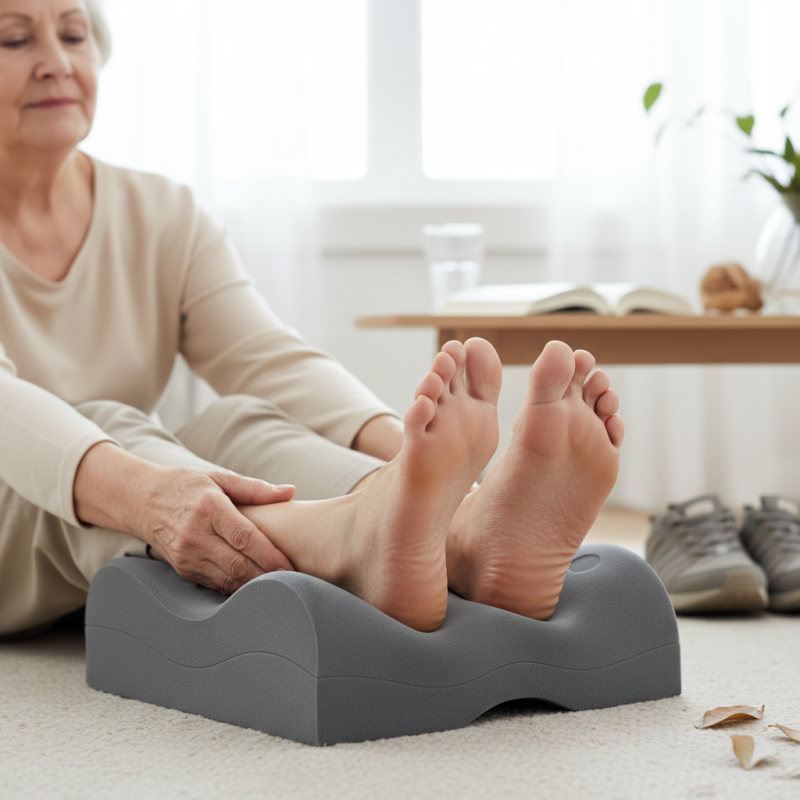
When considering foot support devices, various options are available to enhance comfort and health. Orthotic insoles are a popular choice. They can help distribute weight evenly across the foot, reducing pressure on specific areas. According to a study published in the Journal of Foot and Ankle Research, 70% of participants reported less foot pain after using custom orthotics. These devices assist in correcting foot alignment, which may improve posture over time.
Another option is supportive footwear. Shoes with adequate arch support can prevent common foot ailments. A 2021 report by the American Podiatric Medical Association indicated that 75% of adults experience foot problems related to improper footwear. Choosing shoes with a cushioned insole can be essential. This type of footwear accommodates various activities, allowing for a more comfortable experience.
Lastly, foot compression sleeves offer another layer of support. They improve circulation and reduce swelling. Research highlighted in the Journal of Sports Medicine shows that athletes using compression gear may experience less muscle fatigue. However, it’s crucial to ensure that these devices fit properly. An ill-fitting support device can do more harm than good, leading to discomfort or injury.
Foot health is crucial for overall well-being. Many people face common conditions that can significantly affect their comfort. According to the American Podiatric Medical Association, nearly 77% of Americans experience foot pain at some point in their lives. This staggering number underscores the importance of proper foot support.
Flat feet is a prevalent issue. It can lead to overpronation, causing discomfort in the ankles and knees. A study published in the Journal of Foot and Ankle Research found that supportive insoles can alleviate pain for over 80% of individuals with this condition. Another common problem is plantar fasciitis, affecting around 1 in 10 Americans. Custom orthotics can provide essential arch support, which may speed up recovery significantly.
Diabetes can also lead to serious foot complications. Nerve damage and reduced blood flow increase the risk of injuries. The American Diabetes Association reports that nearly 25% of diabetics will face foot ulcers. Special footwear designed to reduce pressure can be vital for these patients. Recognizing these conditions helps highlight the necessity for appropriate foot support devices in enhancing comfort and health.
Foot support devices can greatly enhance comfort and overall health for various demographics. People who spend long hours on their feet often experience pain and fatigue. Those working in healthcare, retail, or hospitality are prime candidates for these devices. They can alleviate pressure and provide necessary arch support, improving their daily routines.
Additionally, athletes and active individuals can benefit from foot support. Proper alignment and cushioning can reduce the risk of injury. Runners, for instance, may find enhanced performance with the right support. It’s important to recognize that not all foot support devices are the same. Custom options may cater better to individual needs.
Older adults are another group that often requires foot support devices. As we age, foot structure changes and conditions like arthritis become more common. Support devices can offer the needed stability and relieve discomfort. However, it's essential to consult with a healthcare professional. Misuse or reliance on inadequate devices can lead to further complications and dependence.
Foot support devices can significantly enhance overall health and well-being. Research indicates that approximately 75% of Americans experience foot pain at some point in their lives. This discomfort can lead to issues like poor posture and reduced mobility. Foot support devices help by redistributing pressure and providing proper arch support. A study published in the Journal of Orthopedic Research found that custom orthotics could improve comfort levels by over 30% for individuals with chronic foot conditions.
Integration of foot support devices into daily routines is vital for anyone who stands or walks frequently. These devices help reduce fatigue, enabling better performance in tasks. Many people overlook their foot health, not realizing that it plays a crucial role in their overall well-being. Proper foot alignment can lessen the risk of injuries and facilitate better blood circulation.
Tips: Invest time in selecting the right foot support for your needs. Consider your usual activities and terrain. Regularly check your devices for wear and tear. Remember, a small adjustment can lead to significant improvements in comfort and health. Prioritizing foot care can yield a positive impact on your life quality.
Choosing the right foot support device can significantly enhance comfort and health. Research indicates that millions experience foot pain due to improper support. A study from the American Podiatric Medical Association shows that 77% of adults have experienced foot pain. Finding the right device can be transformative.
When selecting a foot support device, consider your unique needs. Arch support is crucial for many. It helps distribute weight evenly and alleviates pressure points. A 2019 report published in the Journal of Foot and Ankle Research found that customized orthotics improved comfort in 85% of participants. Always pay attention to fit and material.
Many underestimate the importance of device weight and flexibility. A heavy device may cause discomfort during extended use. Look for options that promote natural foot movement. Remember, choosing the wrong device can lead to additional problems. Evaluate how the device impacts your daily activities. Awareness of these factors can lead to better choices and improved foot health.
: Flat feet and plantar fasciitis are prevalent issues. They can cause significant discomfort.
Flat feet can lead to overpronation, resulting in pain in the ankles and knees.
Supportive insoles may alleviate pain for over 80% of individuals with flat feet.
About 1 in 10 Americans experience plantar fasciitis, a painful foot condition.
They provide essential arch support and can speed up recovery significantly.
Diabetics may experience nerve damage and ulcers due to reduced blood flow.
It helps reduce pressure and lowers the risk of foot injuries and complications.
They redistribute pressure, improve posture, and reduce fatigue, enhancing mobility.
Proper foot care can improve comfort and quality of life significantly.
Think about your activities, terrain, and regularly check for wear and tear.
Foot support devices play a crucial role in enhancing comfort and health for various individuals. Those who need foot support devices typically include people suffering from common foot conditions such as plantar fasciitis, arthritis, and diabetes-related foot issues. These devices come in several types, including insoles, orthotics, and supportive footwear, each designed to alleviate discomfort and improve foot function.
Demographically, children, the elderly, and athletes may benefit the most from these supportive tools. By providing better alignment and cushioning, foot support devices can lead to improved overall health and well-being, enabling individuals to engage in daily activities without pain. When choosing the right foot support device, it's essential to consider factors like the specific condition, level of activity, and personal comfort preferences to ensure optimal support and effectiveness.

Medivoxa Medical