As the global population ages, ensuring safe exercise options for elderly people becomes crucial. According to the World Health Organization, around 28% of older adults experience falls annually, often leading to severe health issues. Implementing safe exercise routines can significantly reduce this risk. However, many elderly individuals frequently ask, "what are safe exercise options for elderly people?"
Exercise provides multiple benefits, including improved balance, increased strength, and enhanced mental well-being. Studies show that older adults engaging in regular physical activity can cut their risk of chronic diseases by up to 30%. Yet, not all exercises are suitable for everyone. Many seniors hesitate due to concerns over injuries. This concern underlines the need for tailored exercise programs that consider health conditions and fitness levels.
To address these concerns, professionals must emphasize safe practices. Low-impact activities like swimming, walking, and tai chi are excellent options. They provide safety while still delivering significant health benefits. Physical therapy can also help seniors learn safe techniques. Embracing safe exercise options not only promotes physical health but also boosts confidence and independence.
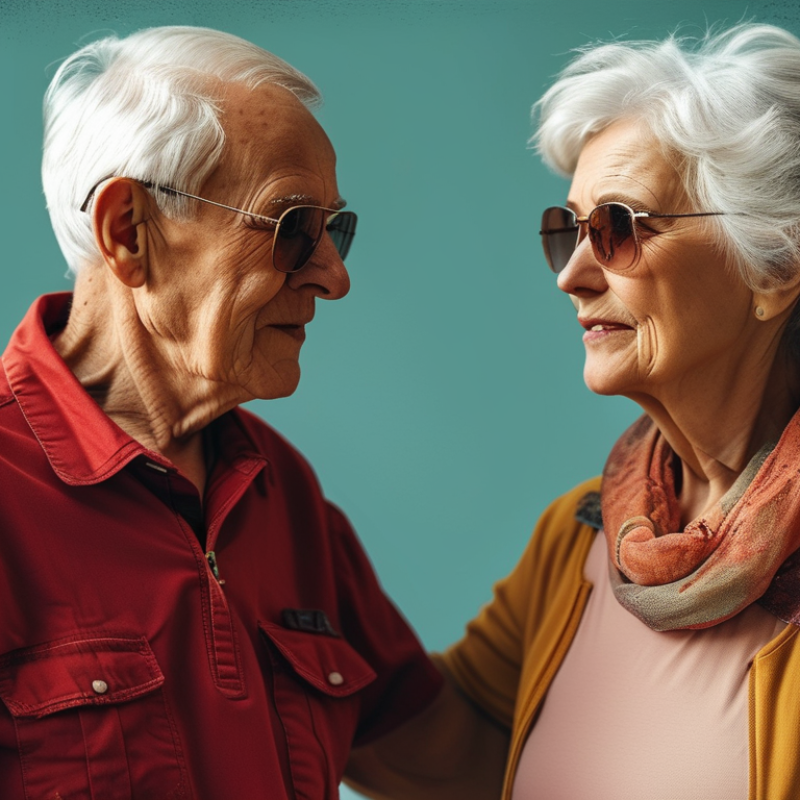
Safe exercise is crucial for maintaining the health and well-being of elderly individuals. Regular physical activity helps to improve mobility and balance, which can reduce the risk of falls. Many seniors experience a decline in muscle strength and flexibility. Gentle exercises like stretching can greatly benefit them. Walking or swimming are also excellent choices. These activities are easy on the joints and can be done at a comfortable pace.
It’s important for seniors to find exercise options that fit their abilities and interests. Group classes can provide social interactions, which are vital for emotional health. However, some may feel intimidated by the gym environment. Offering low-pressure options, such as home workouts or outdoor walking groups, can encourage participation. Safety should always come first. Having a buddy system or a family member nearby during physical activity can enhance confidence.
As we age, our bodies change, and so do our exercise needs. It’s essential to be realistic about what we can do. Trying new exercises also carries risks. One may need to adapt activities based on current health conditions. Listening to one’s body is key. Reflecting on how exercise impacts overall health can also lead to better choices. Safe exercise is not just about physical health; it contributes to a fulfilling and active life.
As individuals age, physical activity remains vital for maintaining health. However, elderly individuals face unique risks. Falls are one of the most common hazards. A simple trip can lead to serious injuries. Osteoporosis increases the risk of fractures, making falls particularly dangerous. Attention must be paid to surroundings. Uneven surfaces or clutter can pose significant dangers.
Cardiovascular issues also arise with exercise. Elderly people often deal with pre-existing conditions. High blood pressure and heart disease can complicate physical activity. Strenuous exercises may lead to heart strain. It’s essential to choose low-impact activities. Walking and gentle stretching can be more appropriate. Supervision during exercise can provide extra safety.
Another concern is joint health. Arthritis can cause pain and inflammation. This discomfort often discourages seniors from exercising. Finding suitable, pain-free movements is crucial. Water aerobics or seated exercises can be beneficial options. These activities allow for movement without straining the joints. Conversations with healthcare providers can help identify the best exercises tailored to individual needs.
As people age, their bodies require more careful consideration when it comes to exercise. One effective option is walking. It's low-impact and can be done anywhere. Walking helps improve cardiovascular health and boosts mobility. Seniors can start slow, focusing on short distances. Gradually, they can increase their pace and distance.
Another great choice is water aerobics. The buoyancy of water reduces strain on joints. This form of exercise enhances strength and flexibility. Many community centers offer classes for beginners. Participants often find it enjoyable and social, which adds to the benefits.
Yoga and tai chi are excellent for balance and coordination. These practices promote mindfulness and help reduce stress. They can be tailored to individual needs and abilities. Many seniors are surprised by how much strength and stability they can gain from these gentle exercises.
Finding the right activity may require some exploration. It’s essential to listen to one's body and not push too hard. Seeking guidance from health professionals can provide valuable insights. Taking these factors into consideration ensures that exercise remains safe and beneficial for older adults.
As people age, engaging in safe exercise options becomes increasingly important for maintaining physical health and preventing injuries. The following chart shows the percentage of elderly adults who participate in various types of safe exercise options.
Exercise is crucial for elderly people. It helps improve physical health and mental well-being. According to the Centers for Disease Control and Prevention (CDC), only 28% of older adults meet the recommended level of physical activity. Safe exercise options can reduce the risk of injury, which is a major concern for seniors. Activities like walking, swimming, and tai chi are low-impact and beneficial for balance.
Guidelines for practicing safe exercise in older age include starting slowly. Seniors should consult healthcare professionals before starting a workout routine. They should choose exercises based on their physical abilities. It's important to focus on flexibility and strength training. The National Institute on Aging recommends at least 150 minutes of moderate-intensity exercise each week. This can be broken down into shorter sessions.
Seniors should listen to their bodies. If something feels wrong, it’s critical to stop. Overexertion can lead to injuries. A study by the Journal of Aging and Physical Activity indicated that many older adults fear falling. This fear can limit their activity levels. Encouraging a safe environment can help reduce these concerns.
| Exercise Type | Benefits | Safety Tips | Recommended Duration |
|---|---|---|---|
| Walking | Improves cardiovascular health, enhances mood | Wear supportive shoes, choose level surfaces | 30 minutes a day |
| Stretching | Increases flexibility, reduces risk of injury | Perform stretches gently, avoid bouncing | 10-15 minutes daily |
| Swimming | Low-impact exercise, builds strength | Use assistance if needed, swim in shallow areas | 20-30 minutes several times a week |
| Yoga | Enhances balance, improves mindfulness | Choose classes for seniors, listen to your body | 30 minutes, 2-3 times a week |
Safe exercise is vital for seniors, greatly enhancing their quality of life. Engaging in regular physical activity can lead to numerous benefits for elderly individuals. It helps improve mobility, coordination, and balance, which are crucial for preventing falls. A simple walk or gentle yoga session can provide these benefits, allowing seniors to maintain their independence longer.
Additionally, safe exercise options can boost mental health. Physical activity releases endorphins, which enhance mood and reduce feelings of depression. Group activities also foster social connections, combating loneliness that many seniors face. Ultimately, integrating exercise into daily routines can enhance both physical and emotional well-being.
However, it's important to recognize potential challenges. Some seniors may have health restrictions or fear of injury. It’s essential to tailor exercise programs to individual needs. Consulting with healthcare professionals before starting new activities is wise. Finding the right balance between effort and safety can be a reflective journey.
: Safe exercise improves mobility and balance, reducing fall risks. It also enhances overall health and emotional well-being.
Gentle activities like walking, swimming, and stretching are effective. They are easy on the joints and flexible in pace.
Group classes provide social support, which is essential for emotional health. They can help combat feelings of loneliness.
Seniors should assess their abilities and interests, and be realistic about their exercise needs to avoid complications.
Yes, falls are a primary risk. Joint pain and cardiovascular issues also pose significant challenges during physical activity.
Engaging in low-impact activities and having supervision can improve safety. Adaptations based on health conditions are crucial.
Exercise releases endorphins, enhancing mood and reducing depression. It also creates opportunities for social interaction.
Consulting healthcare providers is wise. They can help identify suitable exercises tailored to individual needs.
Listening to their bodies and considering how exercise affects their overall health can lead to better choices.
Strenuous exercises can strain the heart. It's best to avoid high-impact activities that may lead to injury or discomfort.
Safe exercise options for elderly people are crucial for promoting their health and well-being. As seniors engage in physical activity, they face common risks such as falls and injuries; therefore, it's essential to choose exercises that minimize these dangers. Safe exercise options for older adults include low-impact activities like walking, swimming, and gentle stretching. These exercises not only enhance physical fitness but also improve mental health and social interactions.
To ensure seniors practice safe exercise, it is important to follow guidelines such as starting slowly, using proper equipment, and consulting healthcare providers before beginning new activities. Regular safe exercise significantly contributes to an improved quality of life for older individuals, enhancing mobility, independence, and overall happiness. By prioritizing safety in exercise, seniors can enjoy the myriad benefits of staying active throughout their golden years.

Medivoxa Medical