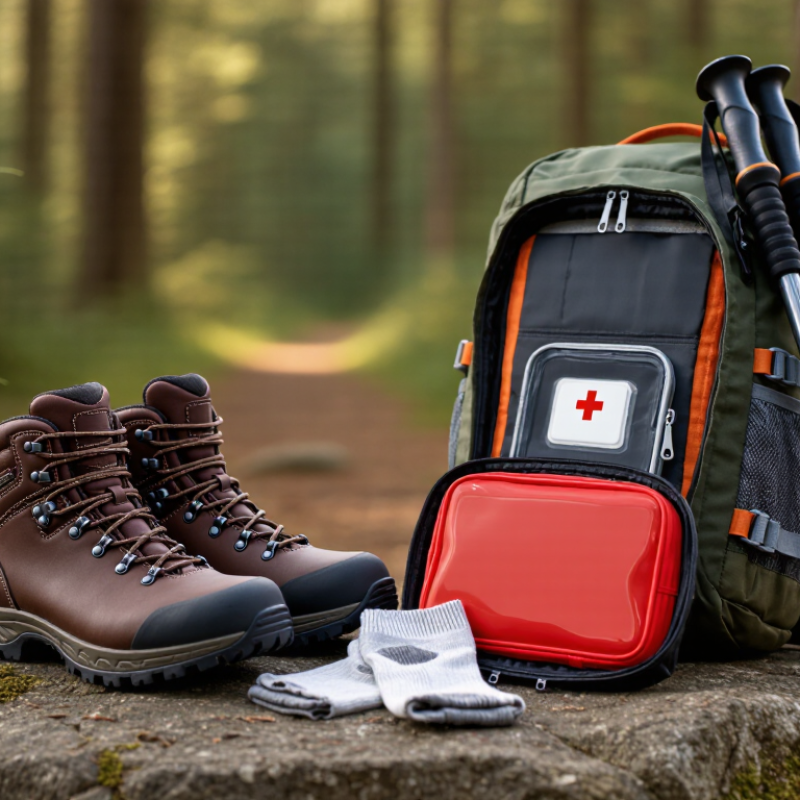
Choosing support equipment for outdoor walking is not simply a matter of buying the most expensive product. The right equipment should match your terrain, walking distance, body condition, and weather. A lightweight walking pole may improve balance on a forest trail, while a sturdy frame backpack may better support longer trips. Comfortable footwear, moisture-wicking socks, and a small first-aid kit also deserve attention.
This guide explains how to choose support equipment for outdoor walking with practical, evidence-informed advice. It considers stability, pressure distribution, grip, adjustability, and user comfort. Experienced walkers often check pole height beside a slight bend in the elbow. They also test backpack straps before entering steep terrain. Small details matter. A loose strap can become painful after several miles.
Support equipment cannot correct every movement problem. People with persistent pain, dizziness, or joint weakness should seek guidance from a qualified healthcare professional. Medical advice may be more important than a new accessory. Fit beats fashion.
Some recommendations may seem obvious, yet they are easy to overlook. A trekking pole that feels excellent in a store may slip on wet stone. A supportive shoe may feel too rigid on flat pavement. Personal testing remains essential because comfort varies widely. This article compares common options and explains their practical strengths and limits. It also acknowledges an uncomfortable truth: no single product suits every walker. Reliable choices come from careful fitting, realistic expectations, and honest reflection after each outing.
Types of Support Equipment for Outdoor Walking
Choosing the right support equipment depends on balance, terrain, distance, and hand strength. A single-point cane suits mild instability on firm paths. It should touch the ground opposite the weaker leg. A quad cane offers more stability, but feels slower on uneven trails. Walking poles can improve rhythm and reduce perceived effort during longer walks, especially on gentle slopes. However, they require coordination and do not replace balance training.
For rough ground, a rollator with large wheels provides support and a seat for planned rest. Its brakes must engage firmly before sitting. Crutches may suit temporary injuries, but they demand strong shoulders and careful fitting. Outdoor walkers should also consider footwear with deep, flexible tread, reflective elements, and small traction aids for wet surfaces. Avoid attaching unstable loads to mobility equipment. They can shift the center of gravity.
The World Health Organization and UNICEF reported in the Global Report on Assistive Technology (2022) that over 2.5 billion people need assistive products, with demand potentially exceeding 3.5 billion by 2050. The U.S. Centers for Disease Control and Prevention reports that more than three million older adults receive emergency treatment for fall injuries annually. These figures make professional assessment worthwhile. A physiotherapist or occupational therapist can check handle height, posture, brake use, and gait. A device that feels comfortable indoors may perform poorly on gravel. That is an easy mistake to miss. Recheck the fit after several outdoor walks.
What Is the Best Support Equipment for Outdoor Walking?
Typical equipment weight by support type
These representative values show the typical mass of common adult outdoor-walking aids. Canes and trekking poles are easier to carry, while walkers and rollators generally provide broader, more continuous support. The best option depends on balance, terrain, walking distance, and advice from a qualified healthcare professional.
Values are approximate typical weights based on commonly published specifications and vary by design and size.
How to Match Equipment to Terrain and Walking Ability
Choosing outdoor walking support equipment starts with the ground beneath your feet. A smooth park path may suit a single-point cane, especially when balance is only mildly limited. Uneven woodland trails need wider contact, stronger grip, and better shock control. A walking frame can offer greater stability, but its size may become awkward on narrow paths or loose gravel. Test the equipment on the actual route, not only on a showroom floor.
According to the CDC, more than one in four adults aged 65 and older reports falling each year. The World Health Organization also identifies falls as the second leading cause of unintentional injury deaths worldwide. These figures make correct fitting more than a comfort issue. A cane handle should sit near the wrist crease when standing upright. Elbows should bend slightly. If one leg is weaker, the cane is commonly held on the opposite side, but a qualified therapist should confirm this choice.
Walking ability changes with fatigue, pain, weather, and confidence. Waterproof tips, reflective details, and a small seat may help on longer routes. However, extra equipment can add weight and distraction. I once underestimated how tiring a light frame became after several muddy slopes. That mistake matters. Recheck height, grip, and braking control regularly, especially after surgery or a noticeable change in balance. The safest setup is the one the walker can control without rushing.
Key Features for Stability, Comfort, and Safety
The best support equipment for outdoor walking depends on balance, terrain, and walking distance. For many people, adjustable walking poles provide steady contact on uneven paths. Their wide tips can grip packed soil, while rubber covers help on pavement. Choose handles that feel secure when your palms become warm or damp.
Height matters.
When standing upright, your elbows should bend slightly, not lock. A wrist strap should support the hand without squeezing it. Lightweight aluminum or carbon materials reduce fatigue during longer walks. However, extremely light equipment may feel less stable in strong wind or rough ground. That trade-off deserves attention.
Safety starts with inspection.
Check the locking points before every walk. Loose sections can collapse beside a curb or wet stone. Replace worn tips promptly. Bright colors and reflective details improve visibility near roads, especially at dusk.
I once adjusted my poles too high and felt shoulder strain after only thirty minutes. That mistake reminded me that comfort is not automatic. Short practice walks help users find a natural rhythm before attempting hills.
A cane may suit someone needing support on one side, while a four-point walker can offer greater stability on flat surfaces. A physical therapist can assess gait, posture, and individual needs. No device removes every risk. Wet leaves still demand slower steps.
Proper Use and Adjustment of Walking Supports
What Is the Best Support Equipment for Outdoor Walking?
Proper adjustment often matters more than the equipment itself. The CDC reports that more than one in four adults aged 65 and older fall each year. Over three million receive emergency care for fall injuries. A support should match your balance, strength, and walking surface. A cane usually suits mild, one-sided weakness. Hold it opposite the weaker leg. Set its handle near your wrist crease while standing upright. Your elbow should bend slightly, not lock.
Walkers offer broader support, especially on uneven paths. Keep all four legs or wheels stable before stepping. Do not lean heavily over the frame. That habit can shift your center of gravity. A 2022 WHO Global Report on Assistive Technology estimates that 2.5 billion people need assistive products worldwide. Yet poor fitting can reduce their benefit. I have seen users adjust height while wearing thick shoes, then struggle indoors. Fit the device for real conditions, not an ideal room.
Tips: Test the support on a quiet path first. Check rubber tips for cracks. Slow down near wet leaves and curbs. Ask a physiotherapist to observe your gait. The CDC STEADI initiative recommends reviewing fall risks, medications, vision, and footwear. It is easy to focus only on the walking aid. That is an incomplete check. If your wrist aches, your shoulder rises, or the device slides, stop and adjust it. Perfect technique takes practice.
Maintenance, Storage, and Equipment Replacement
What Is the Best Support Equipment for Outdoor Walking?
Maintenance, Storage, and Equipment Replacement
A dependable walking aid is only as safe as its maintenance routine. After each outdoor walk, wipe away mud, grit, and moisture from joints, grips, and tips. Let wet equipment dry fully at room temperature. Heat can warp plastic parts and weaken adhesives. I check fasteners before every longer route, especially after uneven paths. A loose screw may seem minor. It can change balance quickly. My checklist helps, but I sometimes rush it, which is exactly when small damage gets missed.
Store walking supports in a clean, dry place away from direct sunlight. Keep them upright or folded as instructed, without heavy objects pressing on them. Do not force folding hinges or adjustment buttons. For wheeled equipment, test the brakes and wheels before storage. Small stones can lodge inside wheel gaps and affect movement. A simple storage habit prevents avoidable repairs, though I have learned that “dry enough” is not always truly dry.
Replace worn rubber tips, cracked grips, bent shafts, or frayed straps promptly. Replacement parts should match the equipment’s size and design. Improvised repairs may fail during a turn or on a slope. A tip with shallow tread can slip on wet leaves or painted pavement. Record inspection dates and repairs. If the correct fit is uncertain, ask a qualified therapist or equipment technician. I once delayed replacing a flattened tip because it still looked usable. That decision was poor. Safety deserves better judgment.
Conclusion
Choosing the right support equipment can make outdoor walking safer, steadier, and more comfortable. This guide explains the main types of walking supports, including canes, crutches, walking sticks, and wheeled aids, and describes how to choose support equipment for outdoor walking according to terrain, distance, balance, strength, and walking ability. It also highlights important features such as secure grips, adjustable height, stable bases, comfortable padding, reliable brakes, and lightweight construction.
The article also covers the proper use and adjustment of walking supports, emphasizing correct posture, suitable hand placement, and careful movement on slopes, uneven ground, and slippery surfaces. Regular inspection is essential: users should check tips, joints, wheels, handles, and locking mechanisms for wear or damage. Proper cleaning, dry storage, and timely replacement help maintain dependable support and reduce safety risks during outdoor activities.
 Medivoxa Medical
