What are the best methods for enhancing knee and ankle stability?

Time:2026-06-10 Author:Oliver
0%

Knee and ankle stability is crucial for overall mobility and injury prevention. Many individuals often overlook these joints, yet they play a vital role in daily activities. Athletes, in particular, can benefit significantly from improving stability in these areas. The question arises, what are the best ways to support knee and ankle stability?

Exploring various methods to enhance stability reveals a blend of exercises, proper footwear, and, sometimes, therapeutic interventions. Strengthening the muscles around these joints is essential. This can include exercises targeting the quadriceps, hamstrings, and calves. Additionally, maintaining balance through proprioceptive training may aid in reducing the risk of injury.

It’s important to consider individual needs and conditions. Not everyone will respond to the same strategies. For instance, someone recovering from an injury may require a different approach compared to a seasoned athlete. These complexities highlight the importance of personalizing stability enhancement methods. Understanding and adapting to what works for you is key.
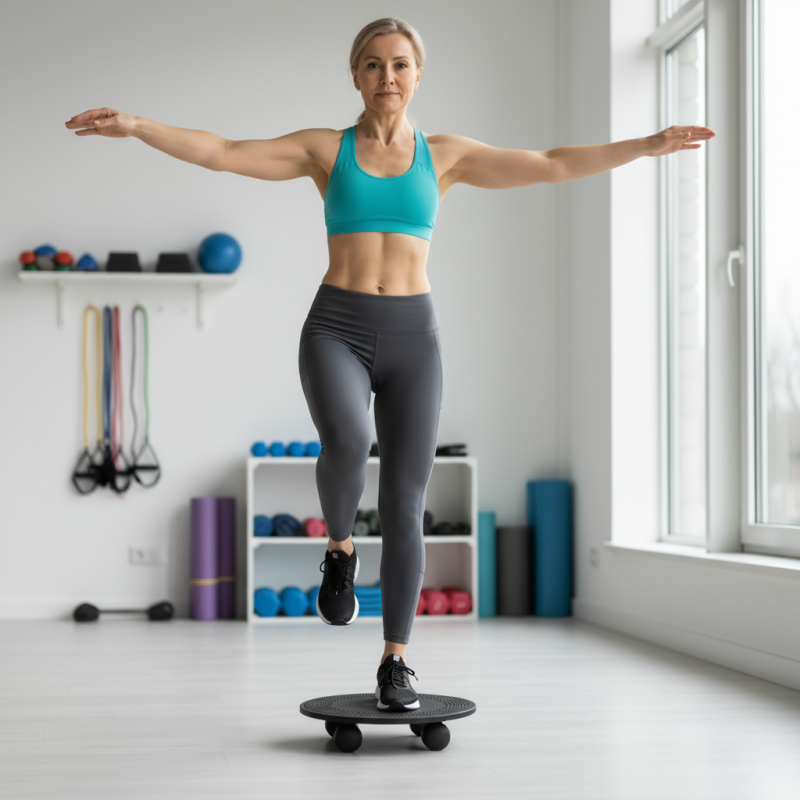
What are the best methods for enhancing knee and ankle stability?

Understanding Knee and Ankle Stability: Importance and Benefits

Knee and ankle stability is vital for overall mobility and injury prevention. Strong ligaments and muscles support the joints, allowing for efficient movement. Yet, many overlook their importance until an injury occurs. Understanding how these areas function can help us appreciate their roles in every step we take.

Weakness in the knee or ankle can lead to imbalance and strain. This can affect not only sports performance but also daily activities. Injury risk increases when stability decreases, leading to ankle sprains or knee issues. Awareness of these risks encourages proactive measures.

Improving stability requires targeted exercises. Balance exercises, resistance training, and flexibility work can significantly enhance joint stability. Simple acts, like standing on one leg or using balance boards, can help. However, consistency is key. Reflecting on one’s progress is crucial; improvements may be subtle but impactful. Ignoring these exercises can lead to regrets later. Building stability is a personal journey, one that should not be underestimated.

Common Causes of Knee and Ankle Instability

Knee and ankle instability can stem from various factors. Weak muscles around the joints may fail to provide adequate support. This often leads to imbalance and falls. A lack of flexibility in ligaments can also contribute, making it harder to stabilize during movements. People with past injuries may notice increased instability. Over time, joint wear and tear can add to the problem as well.

Tips: Strengthening exercises focused on the quadriceps and calves can build stability. Consider including balance training in your routine to improve coordination. Stretching can enhance flexibility, reducing the risk of injury.

Another common cause is improper footwear. Shoes that lack support may contribute to instability. Additionally, engaging in sports without proper technique can increase the risk of injury. It’s vital to pay attention to how you move in different environments. Each step matters when it comes to joint health.

Tips: Choose footwear designed for your activity. Always warm up before exercising. Practice good form to protect your joints during movement. Consistency in these practices can greatly enhance stability over time.

Exercises for Strengthening Knee and Ankle Muscles

Enhancing knee and ankle stability is crucial, especially for athletes and active individuals. Focusing on strengthening exercises can significantly improve muscle support around these joints. Incorporating specific workouts into your routine can lead to better balance and injury prevention.

One effective exercise is the single-leg balance. Stand on one leg while maintaining your balance for 30 seconds. This simple move activates your ankle and knee muscles, building stability. For added challenge, try closing your eyes or standing on an unstable surface. Another great option is heel raises. Stand tall, rise on your toes, and lower down steadily. This exercise strengthens the calf muscles, contributing to ankle support.

Lateral step-ups can also be beneficial. Step sideways onto a platform with one foot, then bring the other foot up. This engages the hip and knee muscles as well. Start with a lower platform and gradually increase the height as you gain strength. Reflect on your progress and adjust your routine accordingly. Consistency in these exercises will lead to enhanced stability over time.

Proprioceptive Training Techniques for Improved Stability

Proprioceptive training is essential for improving knee and ankle stability. It focuses on enhancing body awareness and coordination. This training includes exercises that challenge balance, such as standing on one leg or using balance boards. These activities force the body to engage stabilizing muscles. This engagement is crucial for preventing injuries during physical activity.

Incorporating dynamic movements is also beneficial. For example, jumping or cutting movements can improve responsiveness. These exercises can be done in various environments, such as on uneven surfaces or while using equipment. The goal is to create instability, forcing the body to adapt and strengthen. However, it's important to listen to your body. Pushing too hard can lead to setbacks, so gradual progression is key.

Maintaining consistency in training is vital for long-term stability. Create a routine that includes proprioceptive drills alongside strength training. Remember, the journey to stability is ongoing. You may encounter challenges, but these experiences can lead to insight. Regular reflection on your progress is necessary to ensure you stay on track.

Proper Footwear and Orthotics for Enhanced Joint Support

Proper footwear is critical for enhancing knee and ankle stability. Shoes should provide adequate support without being too restrictive. A good fit allows natural foot movement. Choosing shoes with arch support can significantly benefit those with flat feet or high arches. This helps distribute weight evenly and reduces pressure on the knees and ankles.


Orthotics can also play a crucial role. Custom-made inserts offer personalized support. They help correct alignment, which reduces stress on joints. Many people find comfort in pre-fabricated orthotics available at pharmacies. However, not every insert suits everyone's needs. Regularly assessing how your feet feel in them is essential.


While proper footwear and orthotics effectively promote stability, not everyone finds immediate relief. Some may experience discomfort initially. It takes time to adjust to new shoes or inserts. Keeping an open mind and being willing to make changes is vital. Listening to your body can guide better choices for your joints.

FAQS

: What causes knee and ankle instability?

: Weak muscles and inflexible ligaments are common causes. Past injuries and joint wear can increase instability as well.

How can I improve knee and ankle stability?

Strengthening exercises for the quadriceps and calves help. Incorporating balance training is also beneficial for coordination.

Why is flexibility important for stability?

Flexible ligaments support better movement. This reduces the risk of injury and helps maintain balance during activities.

What role does footwear play in joint stability?

Improper footwear can lead to instability. Shoes lacking support may increase the chance of falls and injuries.

What warm-up is recommended before exercising?

Always warm up to prepare your joints. This practice helps prevent injuries during workouts and enhances performance.

Can specific exercises help strengthen these joints?

Yes, exercises like single-leg balance and heel raises are effective. They activate key muscles around the knee and ankle.

How long should I practice balance exercises?

Aim to maintain balance for 30 seconds. Gradually increase difficulty by using unstable surfaces or closing your eyes.

What is the benefit of lateral step-ups?

Lateral step-ups engage hip and knee muscles. They build strength and support in these areas over time.

How can I track my progress?

Reflect on your routine regularly. Adjust the exercises and difficulty based on improvements you notice in stability.

Is consistency really that important?

Yes, being consistent with exercises leads to better results. Regular practice enhances strength and stability over time.

Conclusion

Knee and ankle stability is crucial for maintaining mobility and preventing injuries during physical activities. Understanding the importance and benefits of stability can help individuals make informed choices about their health. Common causes of instability include muscle weakness, poor proprioception, and inadequate footwear. To address these issues, it is essential to incorporate specific exercises focused on strengthening the muscles surrounding the knee and ankle. Additionally, proprioceptive training techniques enhance balance and coordination, further supporting joint stability.

When considering what are the best ways to support knee and ankle stability, proper footwear and orthotics play a significant role. Selecting the right footwear can provide the necessary support and alignment, while orthotics can offer additional stability for individuals with specific foot mechanics. By combining strength training, proprioceptive exercises, and appropriate footwear, individuals can significantly improve their knee and ankle stability, leading to enhanced performance and reduced injury risk.

Oliver

Oliver

Oliver is a seasoned marketing professional with a wealth of expertise in driving brand awareness and engagement. With a deep understanding of our company's product offerings, he consistently delivers high-quality content that enriches our professional blog. His insights not only shed light on......